I bring great news!
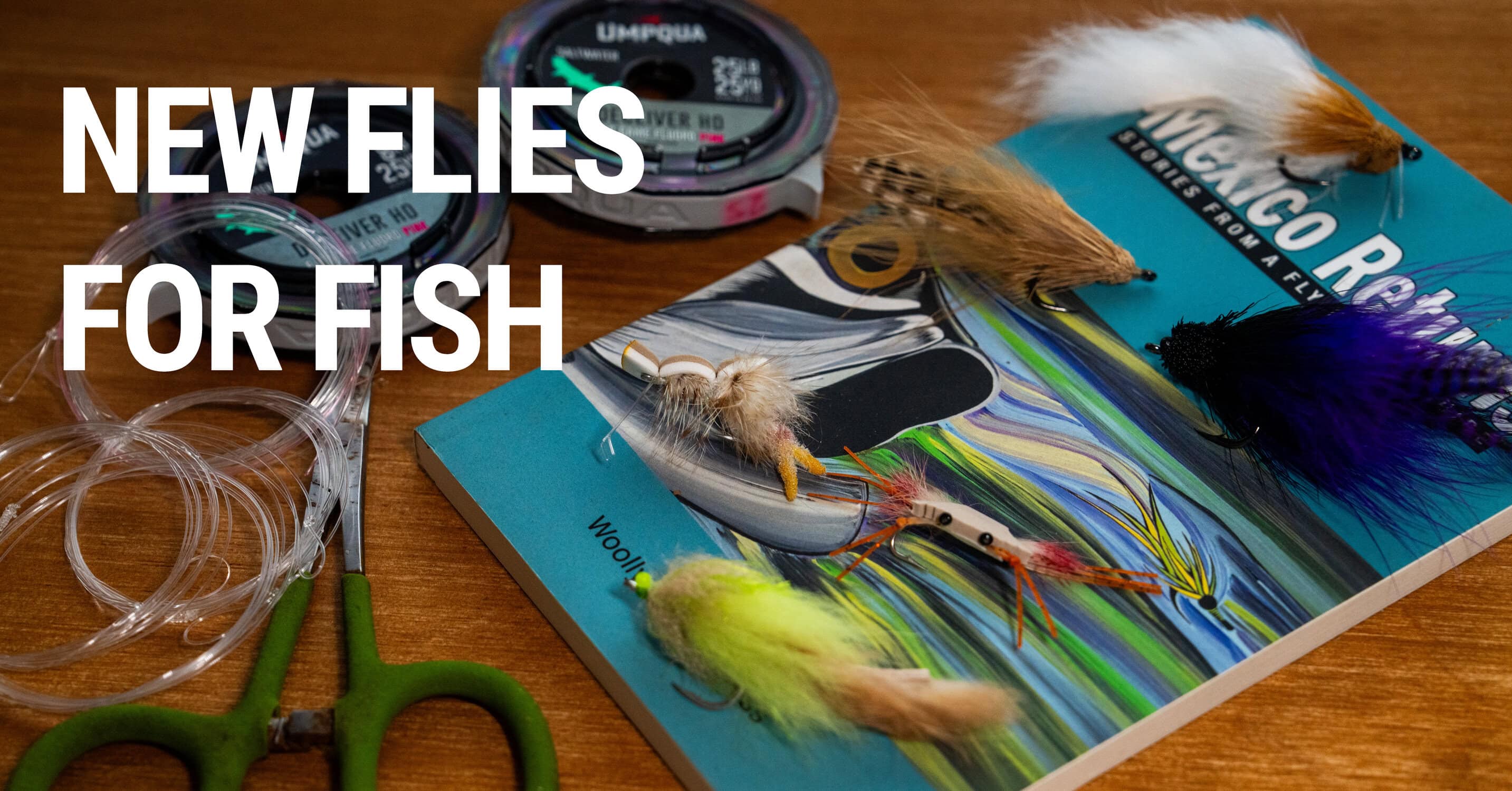
For years, new fly patterns often seemed designed to catch the fisherman before they ever had a chance to fool a fish—loaded with flash, wild colors, and more shelf appeal than real purpose. Lately, though, companies like Umpqua, Far Bank/RIO, Montana Fly Company, and Rainy’s have been making a welcome shift. More of the new flies hitting the market feel like they’re tied with the fish in mind first: cleaner profiles, more natural movement, and proven fish-catching function over extra gimmicks. It’s a refreshing change to see flies that aren’t built just to stand out in the bin, but to actually work where it matters most—on the water. Let’s get right into the meat and potatoes of these new flies.

Borski’s Sunk
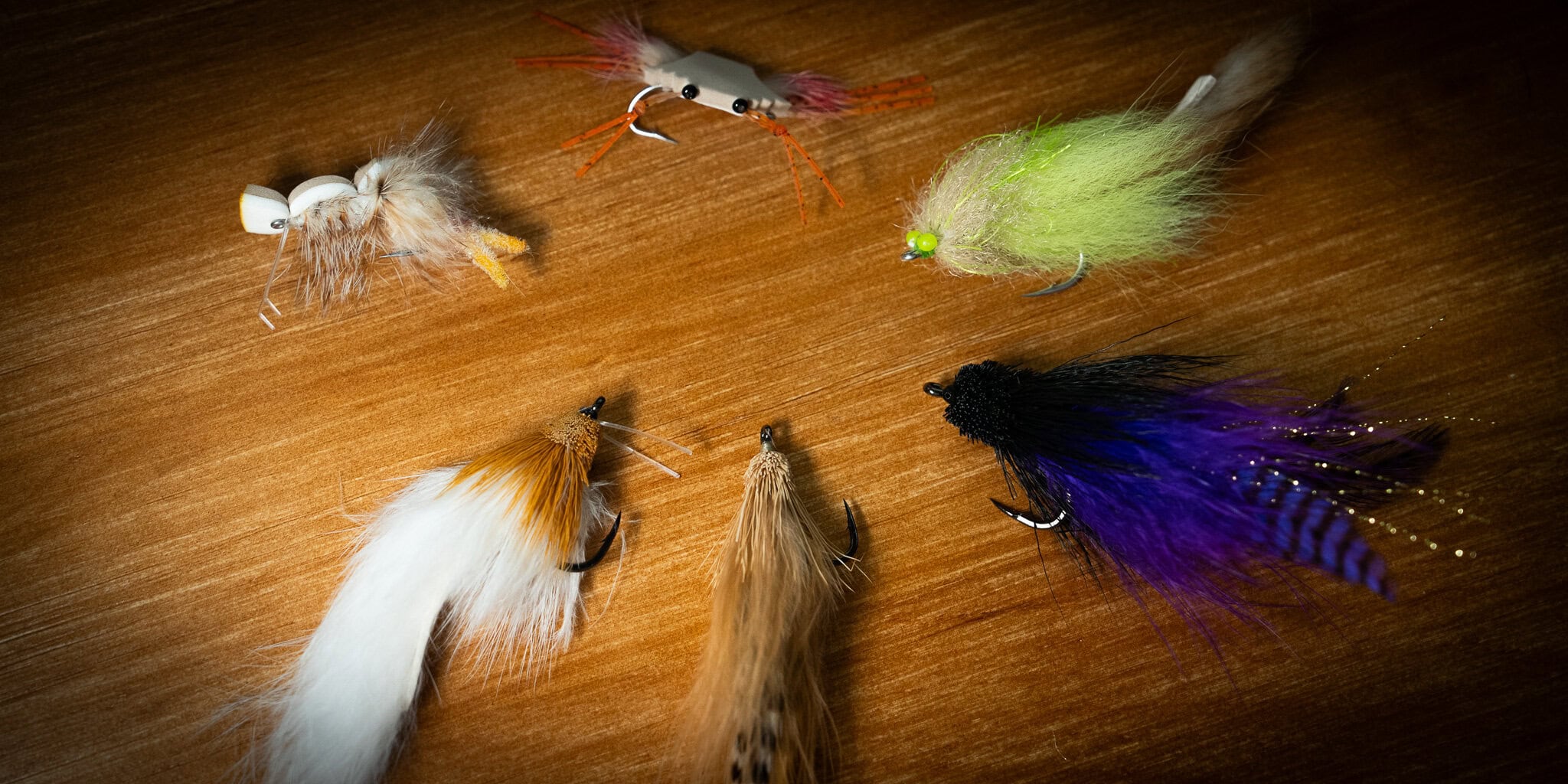
This is honestly one of my favorite flies. If you know Tim Borski’s patterns, you know they’re designed with the fish in mind—buggy, full of movement, and built to swim the way they should, complete with both a weed guard and foul guard. This classic-style fly features a bunny tail and collar paired with a spun bucktail head, giving it a strong profile and the ability to push water effectively. Similar in style to the Old Salt Fly, it’s a great choice for fishing shallow mangrove banks, mud flats, and grassy bottoms. It suspends just below the surface and creates an excellent wake when retrieved a little faster. The rabbit tail makes it especially versatile: fish it with quick, sharp strips to create an erratic, bouncing action, or slow it down with longer strips to keep it level and easy for laid-up fish to track and eat, all while maintaining plenty of natural movement.
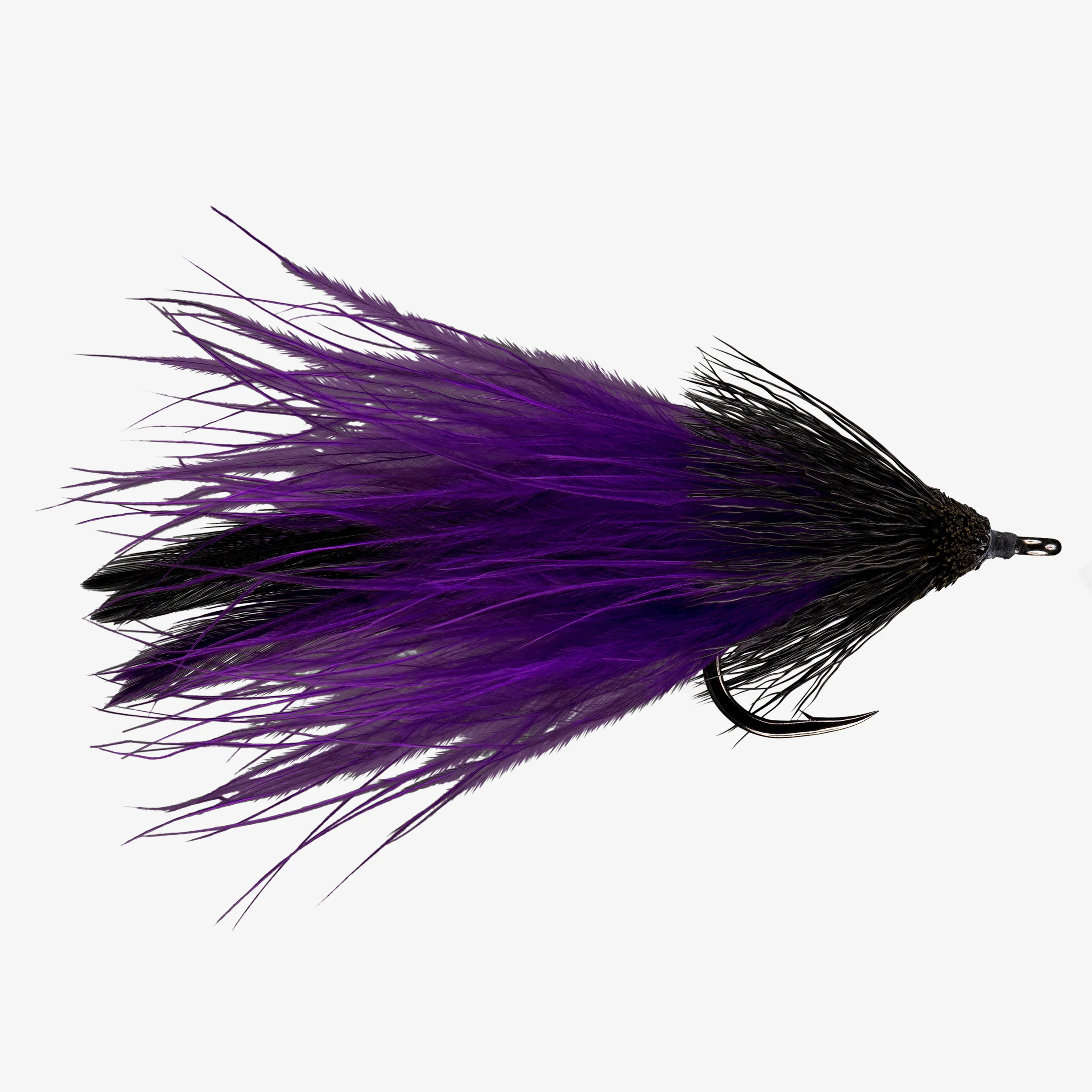
Salty Summoners
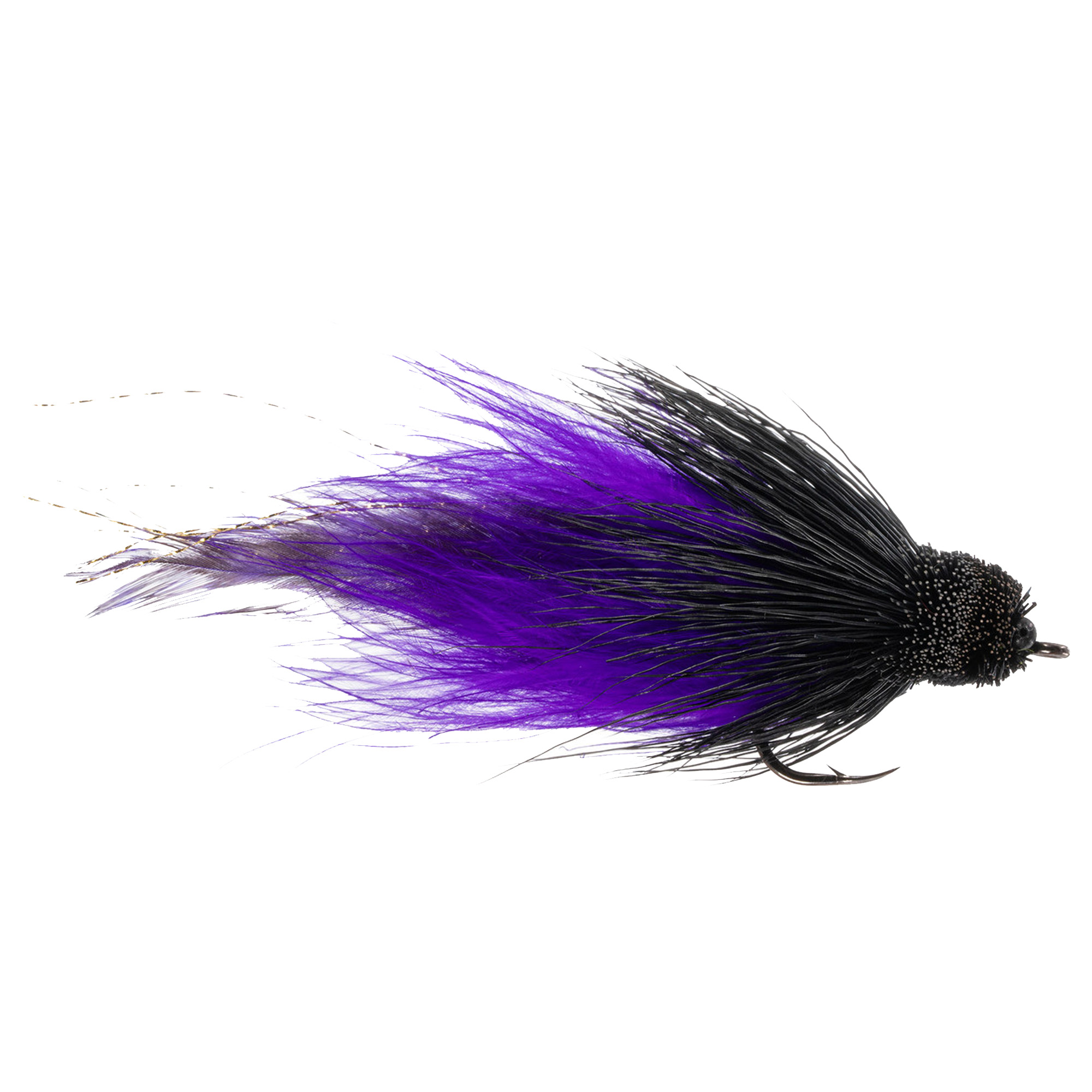
The Salty Summoner is a larger pattern built for larger fish. Designed for bigger tarpon in the Everglades, Mexico, and around the Caribbean, it has tons of movement and suspends right under the surface—right where you want it. The large deer hair head pushes a ton of water, helping fish find the fly and giving it a strong presence in the water. Built mostly with all-natural materials, aside from a few strands of Krystal Flash, this is a fly that relies more on profile, movement, and function than anything flashy. It’s a great example of a pattern tied with the fish in mind first. The standout black and purple color is a first choice when it comes to patterns like this.
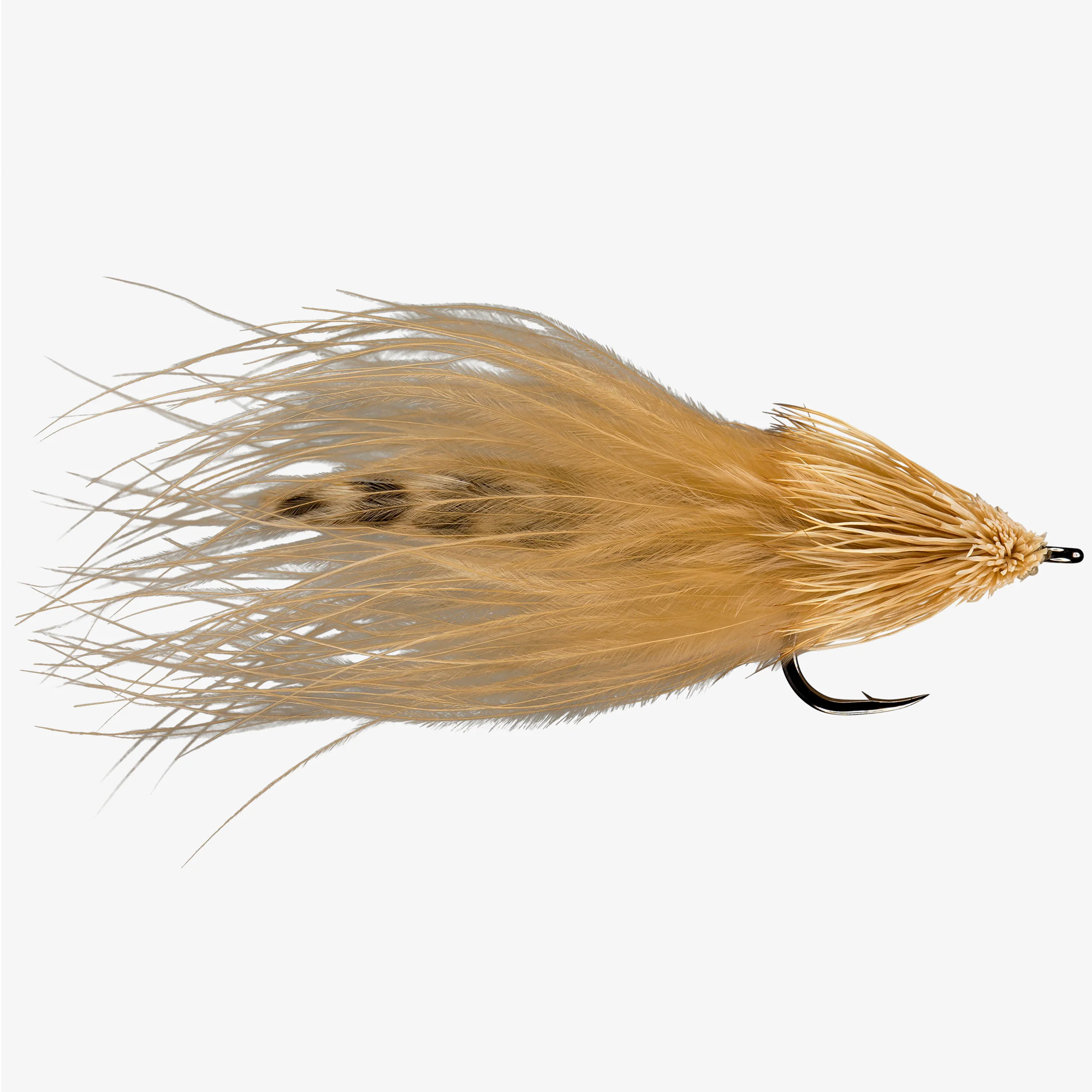
Old Salt
The Old Salt is a fly that makes fish want to eat and rides exactly the way it should. Featuring a natural feather along the side that resembles a baitfish’s lateral line, along with all-natural materials throughout, this fly has lifelike movement in the water. The deer hair head pushes water effectively, giving it added presence, and it’s tied on a Gamakatsu SL12S Short—one of the most trusted hooks for flies in this style. Considered a “slider” pattern, the Old Salt suspends just beneath the surface, much like Borski’s Sunk Fly.

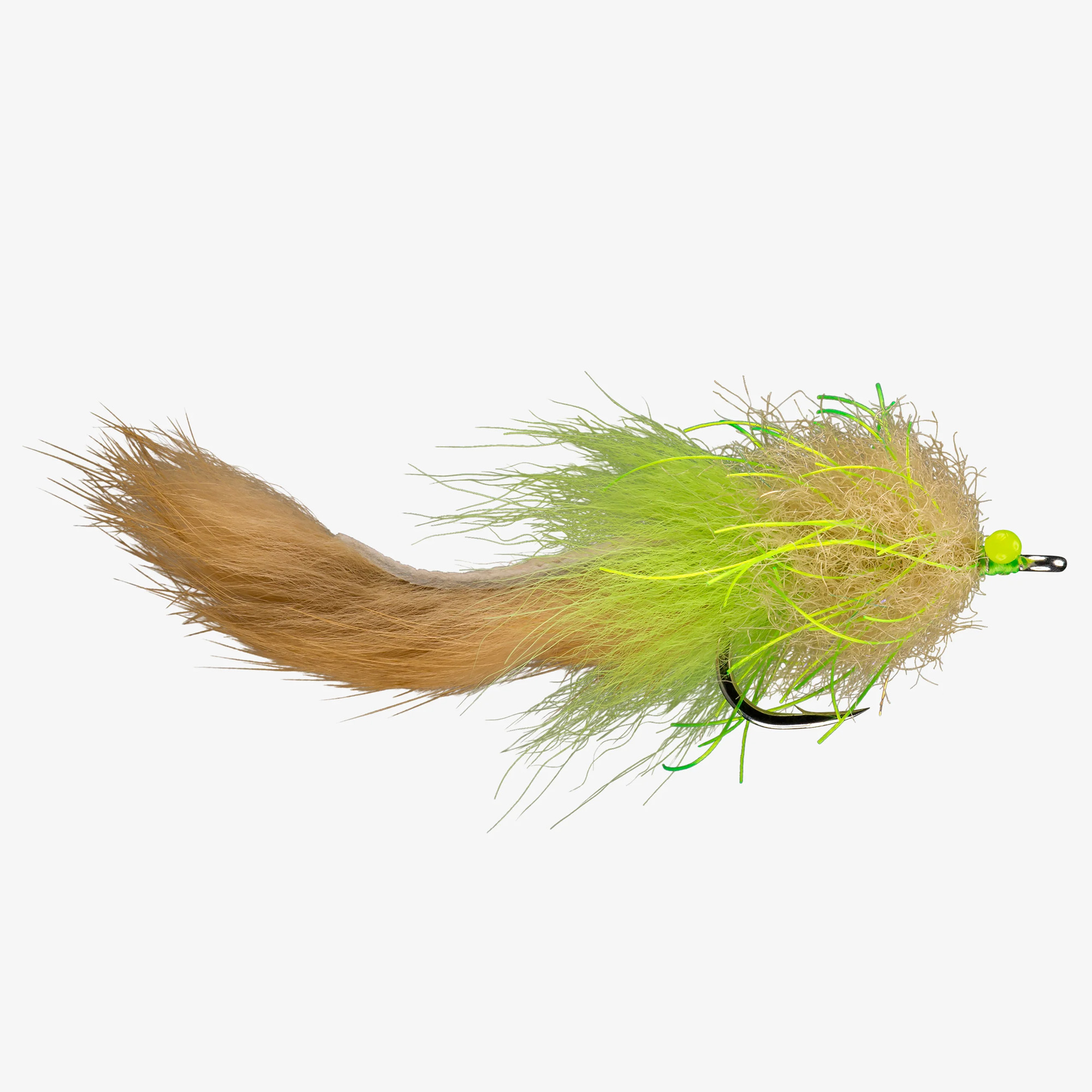
Aldous Tarpon Bunny
This fly is incredibly effective and durable as heck. With a rabbit strip tail, EP Foxy Brush, and EP Tarantula Brush, it’s built to catch a pile of fish—and it absolutely will. This style of fly can be fished a bunch of different ways: short, fast strips and sharp twitches make the rabbit strip move erratically, while slower, longer strips let fish track it down naturally. The thicker EP fiber head helps the fly stay in the proper strike zone and track extremely well throughout the retrieve. Tied on a Gamakatsu SL12S Short, this is another pattern built to keep fish buttoned up. I personally love this fly thrown along the mangroves and a medium tide as a great search bait as well on the oceanside flats for larger tarpon in the lighter tan/chart color.
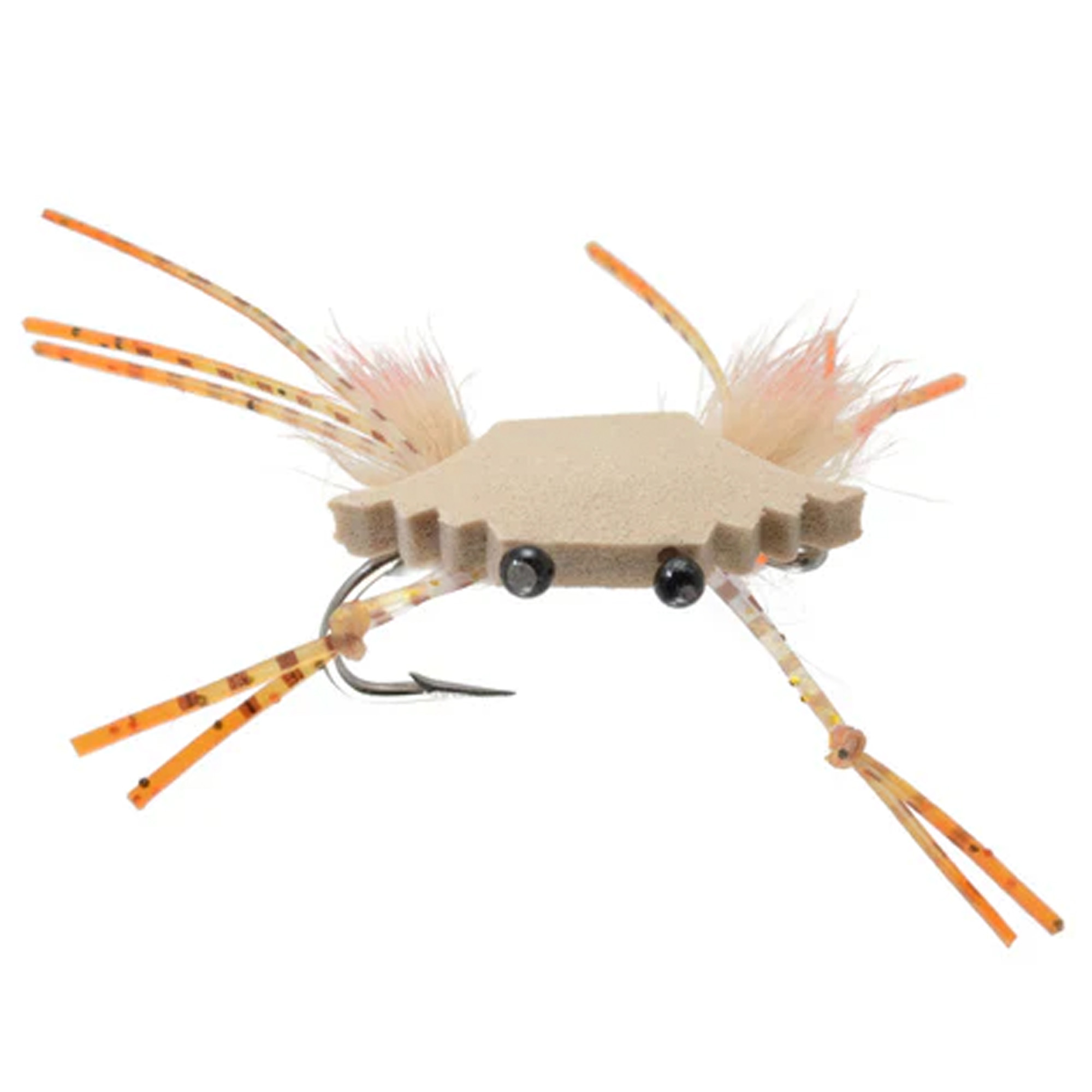
Floatsam Crab
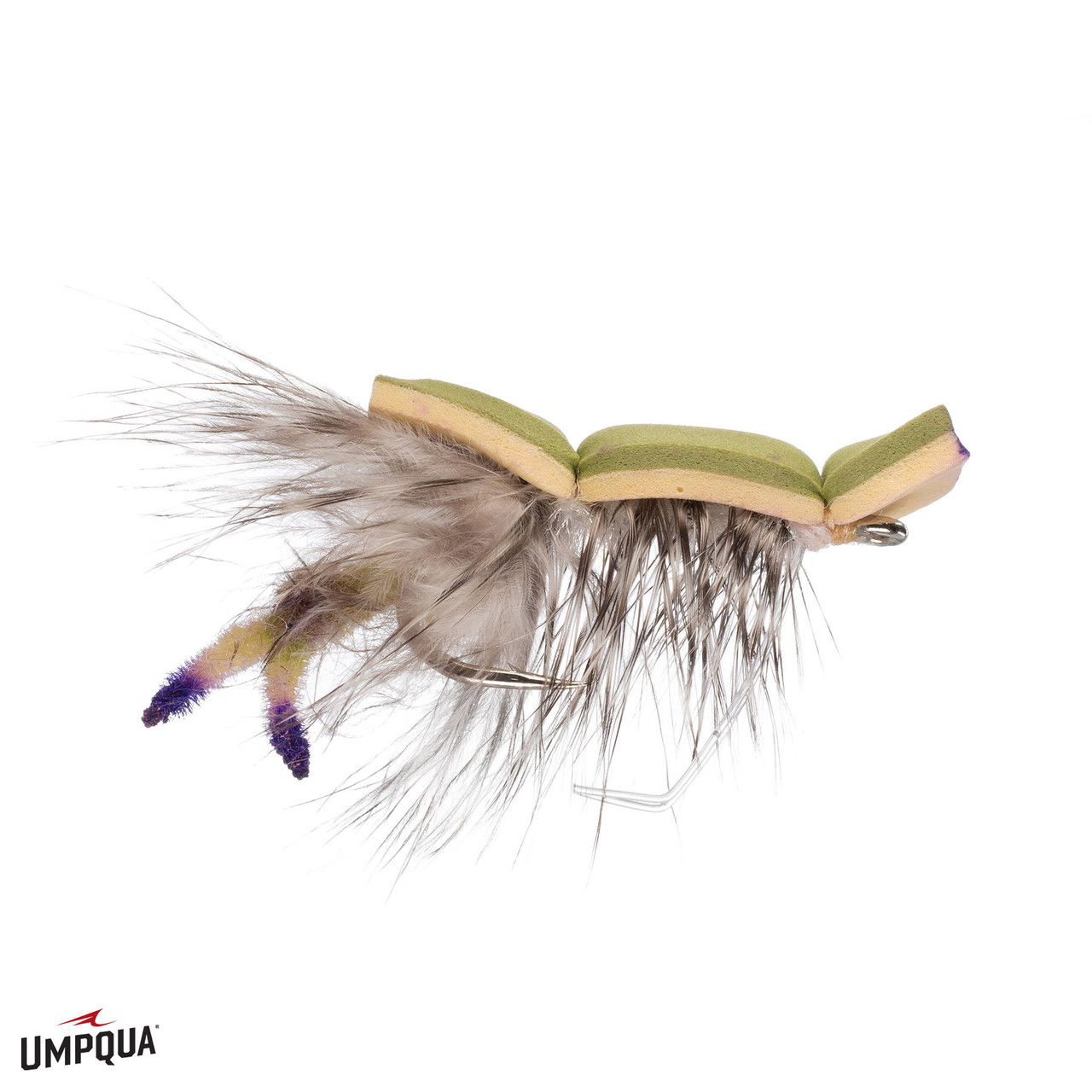
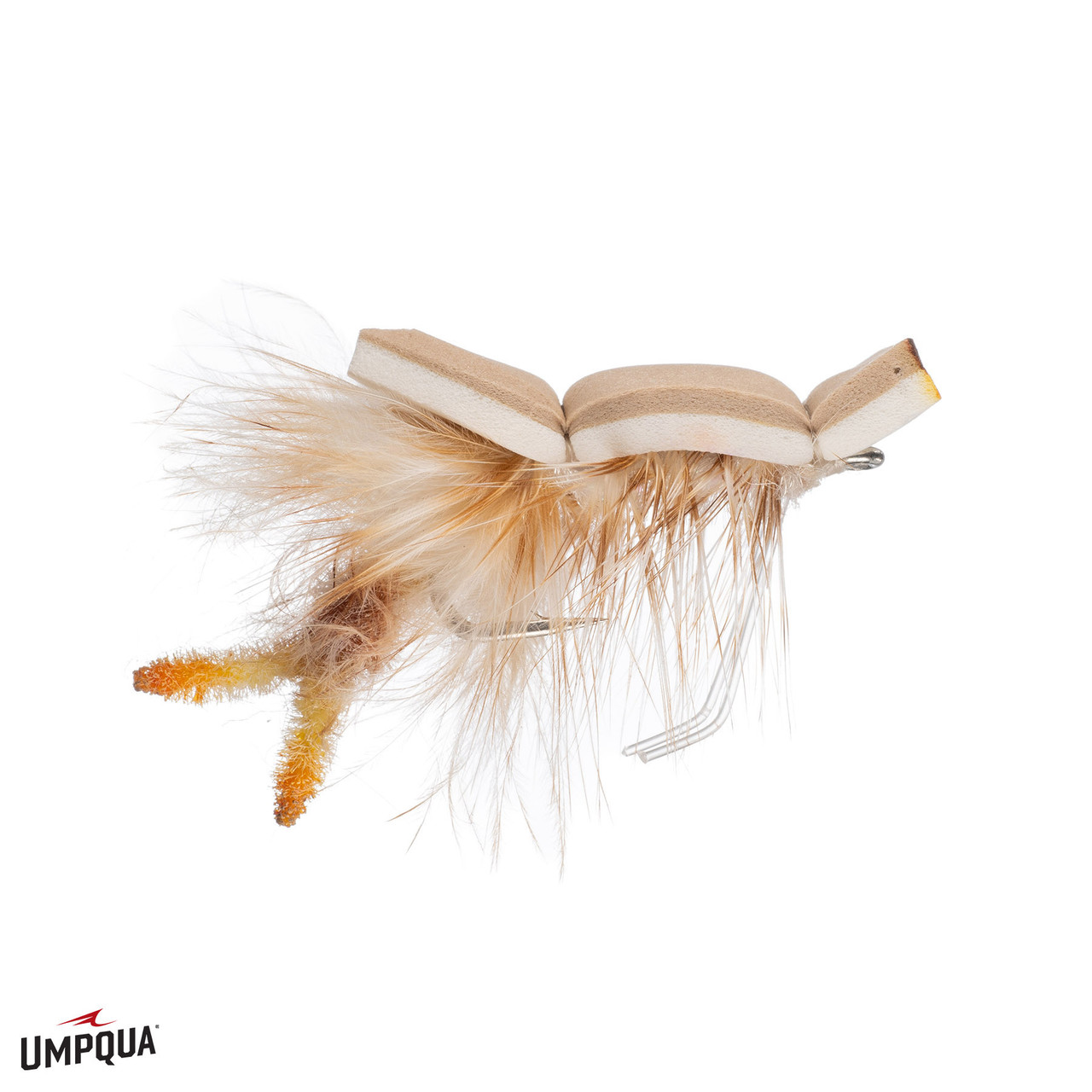
The Flotsam Crab is a smart, purpose-built floating crab pattern designed to do exactly what a good permit fly should: stay up, move naturally, and present a clean profile around floating grass and sargassum. Its long legs add easy movement, while the overall design gives it a natural look in the water without overdoing it. What makes the way it’s tied so effective is that everything seems geared toward function—it floats high, keeps a strong crab silhouette, and stays visible and fishable in the kind of water where permit are cruising and looking for an easy meal
Strong Arm Floating Crab
The Strong Arm Floating Crab is one of those flies that feels a little gimmicky at first—but hear me out, it actually fishes really well. It’s built to target fish feeding either near the surface or tight to the mangroves. It floats naturally, stays fishable around shallow flats and floating weed, and features a long weed guard that helps it come through clean without costing you hookups when you’re fishing tight to the mangroves and trying to pull fish out.
It’s a great fly for permit in channels where they need a little extra help finding the fly. It’s different, no doubt, but it’s tied with real purpose, and in the right situation it’s much more than a gimmick—it’s the fly you need. My favorite time to throw this fly is on a high tide in the Everglades backcountry, when you need a little sound to pull fish out of the mangroves. They come over to investigate the pop, and there’s a nice little crab sitting there waiting to be eaten.
Let’s load the box..
In the end, that’s really what makes a good fly stand out—it isn’t how flashy it looks in the bin, it’s how well it swims, how naturally it moves, how it pushes water, and how confidently it fishes in the places it’s meant to be thrown. Whether it’s a slider-style pattern like the Old Salt suspending just under the surface, a rabbit-strip fly with enough movement to trigger fish on both fast and slow strips, a classic Borski-style pattern built to wake over shallow banks, or even a floating crab that seems a little unconventional until it starts pulling fish out of the mangroves, the common thread is simple: these flies are tied with purpose.
That’s the nice change right now. More and more, the best patterns aren’t trying to impress the angler first—they’re designed to fool the fish. Natural materials, better movement, clean profiles, durable hooks, practical weed guards, and fishable designs matter a lot more than extra necessary legs ever will. And for anglers who care more about what happens in the water than what looks good in the shop, that’s a direction worth appreciating. Let’s hope the companies continue with this direction.