In the Surf
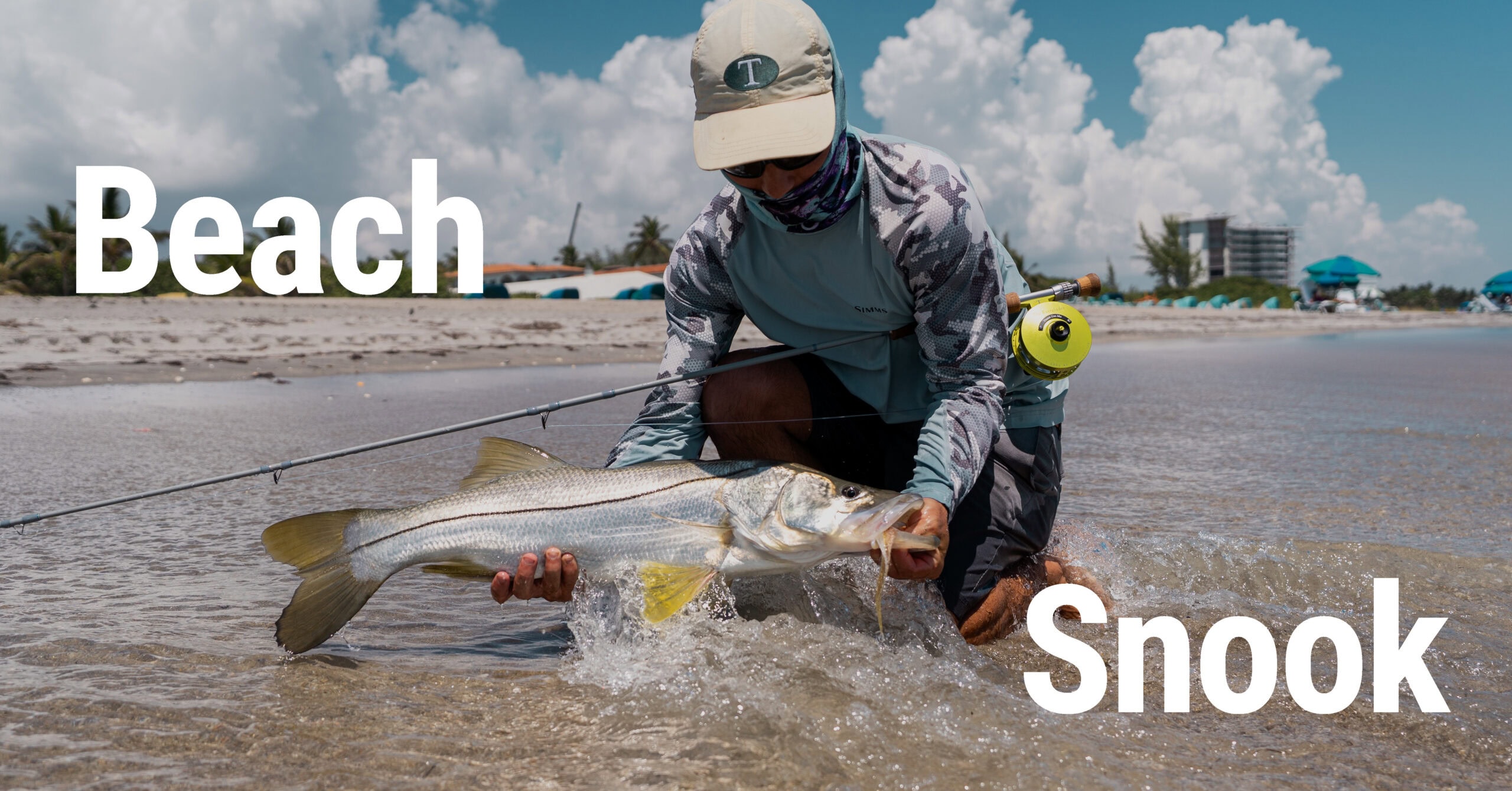
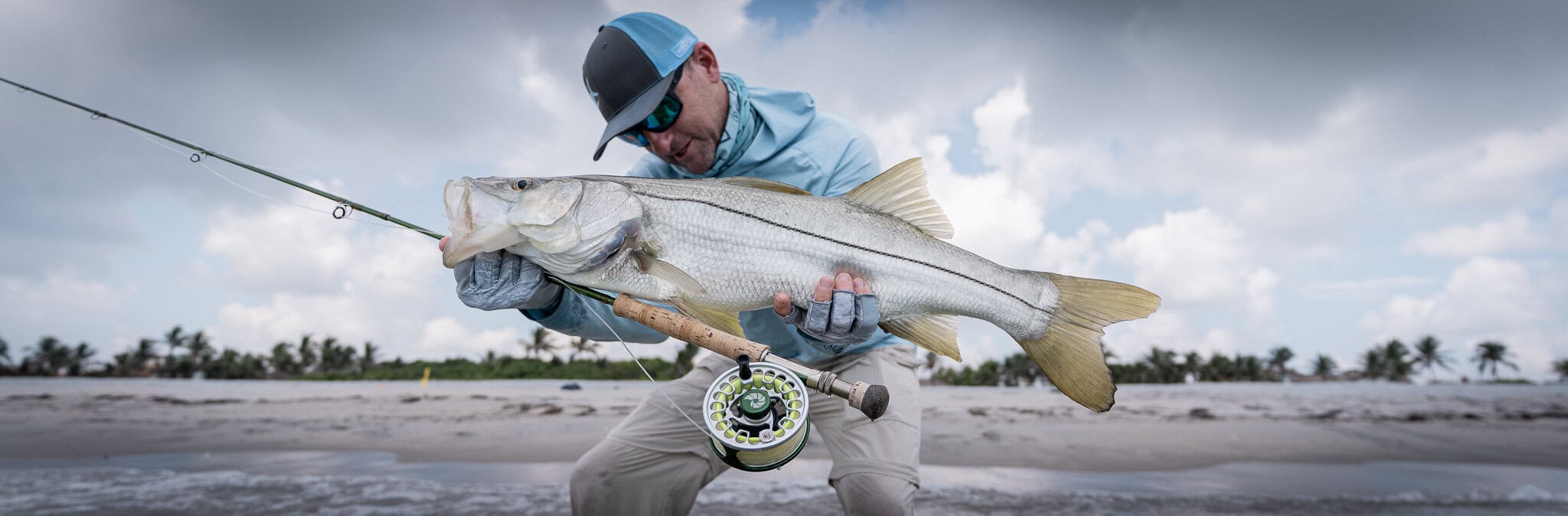
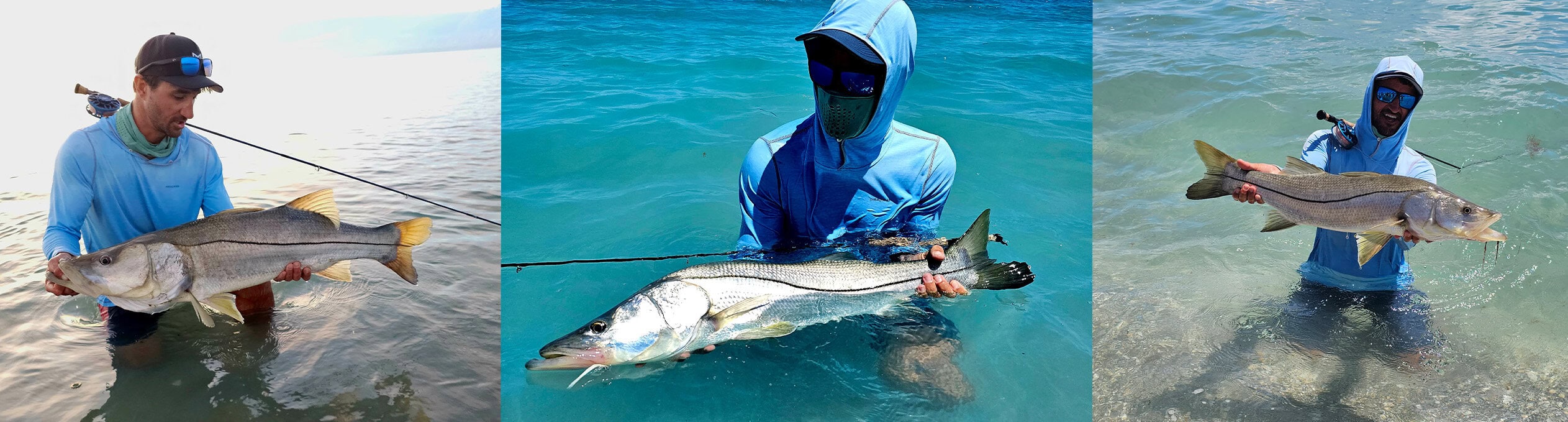
When it comes to heart-pounding saltwater fly fishing, few experiences compare to chasing snook along the beaches of South Florida. Each summer, schools of pilchards, glass minnows, and sardines gather close to shore—setting the stage for an all-you-can-eat buffet that draws in snook, tarpon, and jacks.
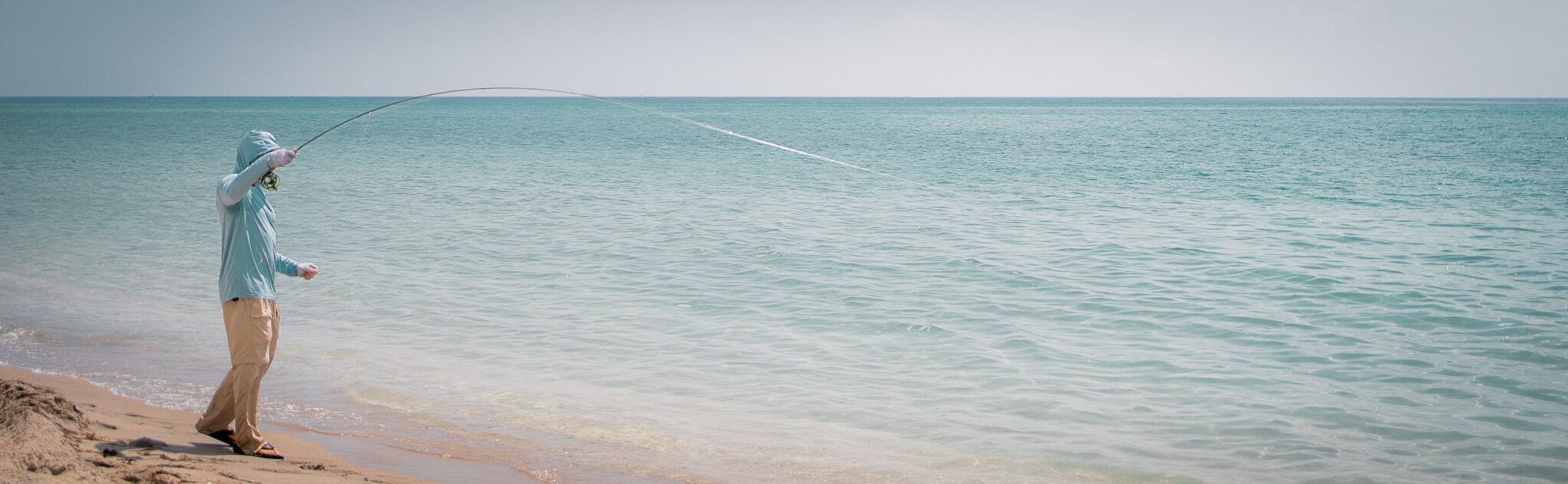
One of the best parts about this fishery is how accessible it is. You don’t need a boat, a guide, or a ton of gear—just a rod, a handful of flies, and the willingness to walk the sand. Anyone can step onto the beach, hook a fish, and make a memory that lasts a lifetime.
There’s also a beautiful simplicity to it all. White sand underfoot, sun overhead, and the chance to spot big, hungry fish cruising just a rod’s length away—it’s fly fishing stripped down to its most exciting, pure form.
Where to go and what to know.
Start by finding a good stretch of beach on either coast—anywhere from Jupiter and south on the east coast, or from Tampa and south on the west coast of Florida. Before you head out, take a minute to look up the local fishing regulations in your area. For example, in Palm Beach County, you’re not allowed to fish between lifeguard towers while lifeguards are on duty.
You can fish on private beaches as long as you access them through public access points and stay below the high tide line—that’s public land.
Inlets and passes can be hot spots, especially in the early and late parts of the summer, but don’t overlook the open beach. Fish can show up just about anywhere. Focus on areas with a defined trough close to shore or deeper cuts between sandbars—those structures funnel bait and hold fish.
There are also a few differences between coasts. On the west coast, you’ll generally find more opportunities to hook smaller snook. The east coast usually offers fewer shots, but at larger fish. That said, both coasts hold a healthy mix of sizes, and either one can produce a memorable day on the beach.
Finding the right mix
When the Bait Shows, the Fishing Follows
This beach bite really starts to heat up in mid to late June as the baitfish begin to move in. Early on, it’s often more common to spot tarpon than snook. You’ll see pods of tarpon peeling off the larger offshore migration to push bait right up against the beach. When it comes to targeting beach tarpon, just getting an eat and a jump is often the goal—and it’s a heart-pounding thrill every time.
During this same window, smaller snook start scouting the shallows, and schools of small to mid-sized jacks move in to mop up leftovers on the falling tide.
As July rolls in, the bait schools grow bigger, and so do the predators. Look for singles and small groups of larger snook and jacks cruising through, especially as we get into late July and early August. This is when the big female snook start feeding aggressively on pilchards before heading out to the passes to spawn. Smaller males often trail these larger fish, adding to the action.
Timing: It’s All About the Tides
Tide stage is often more important than time of day. The best window is usually two hours before to two hours after high tide—this is when fish move right into the trough at your feet, hunting bait that’s been pushed close to shore. Both the incoming and outgoing tides can be productive: snook tend to favor both, while jacks and tarpon are often more active on the falling tide.
Morning, Midday, or Evening – Each Has Its Moment
Every part of the day offers something unique. At dawn, bait schools form up, and at dusk, they break apart—both transitions can trigger aggressive feeding. While sight fishing may be tough during these low-light windows, blind casting around flickering bait or diving birds can be surprisingly effective.
Midday may seem quieter on the surface, but don’t let that fool you. With the right sun angle, you’ll have the visibility you need for those textbook sight-fishing shots—the kind of opportunities that make this style of fishing so addictive.
Fly rods and reels
Let’s start with the rods.
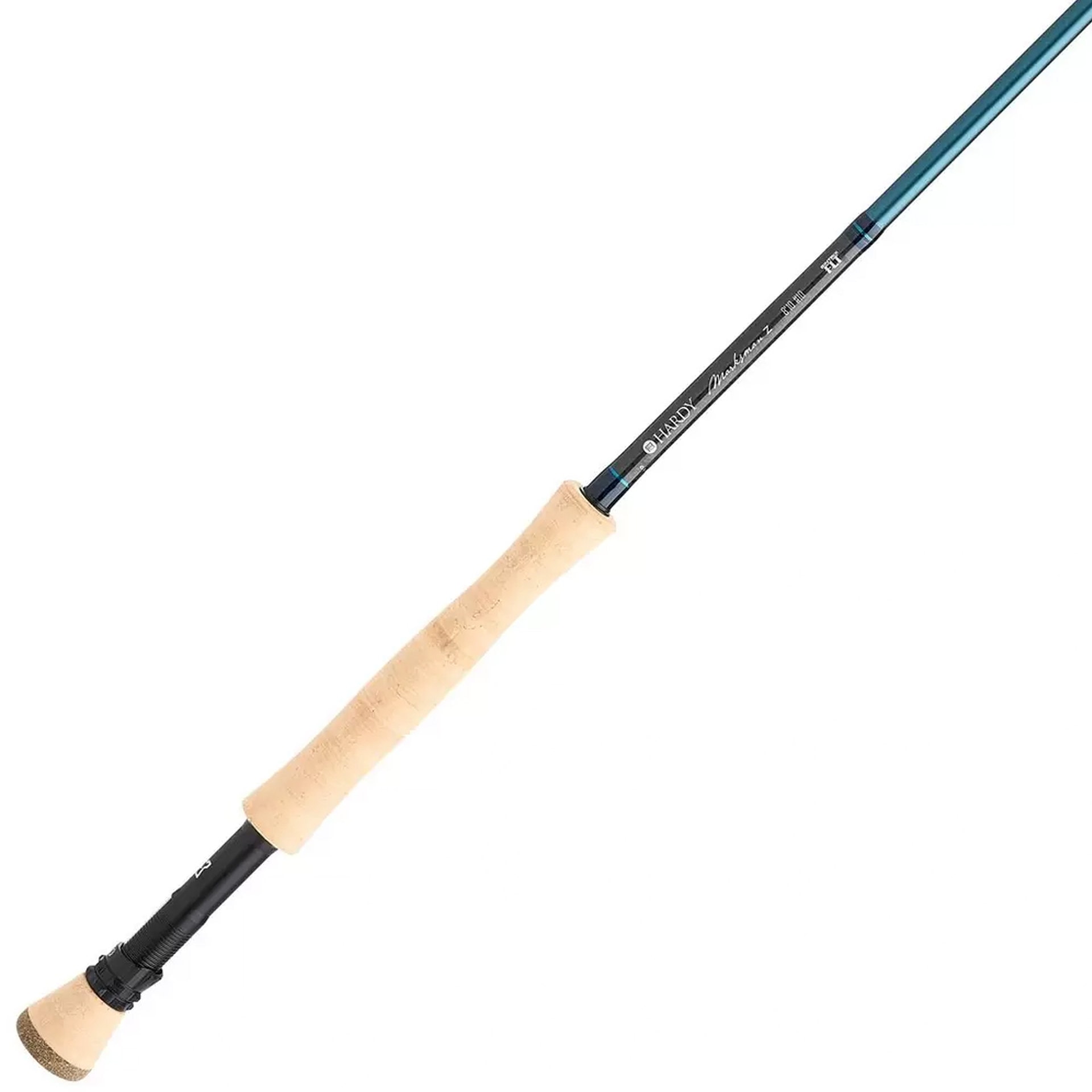
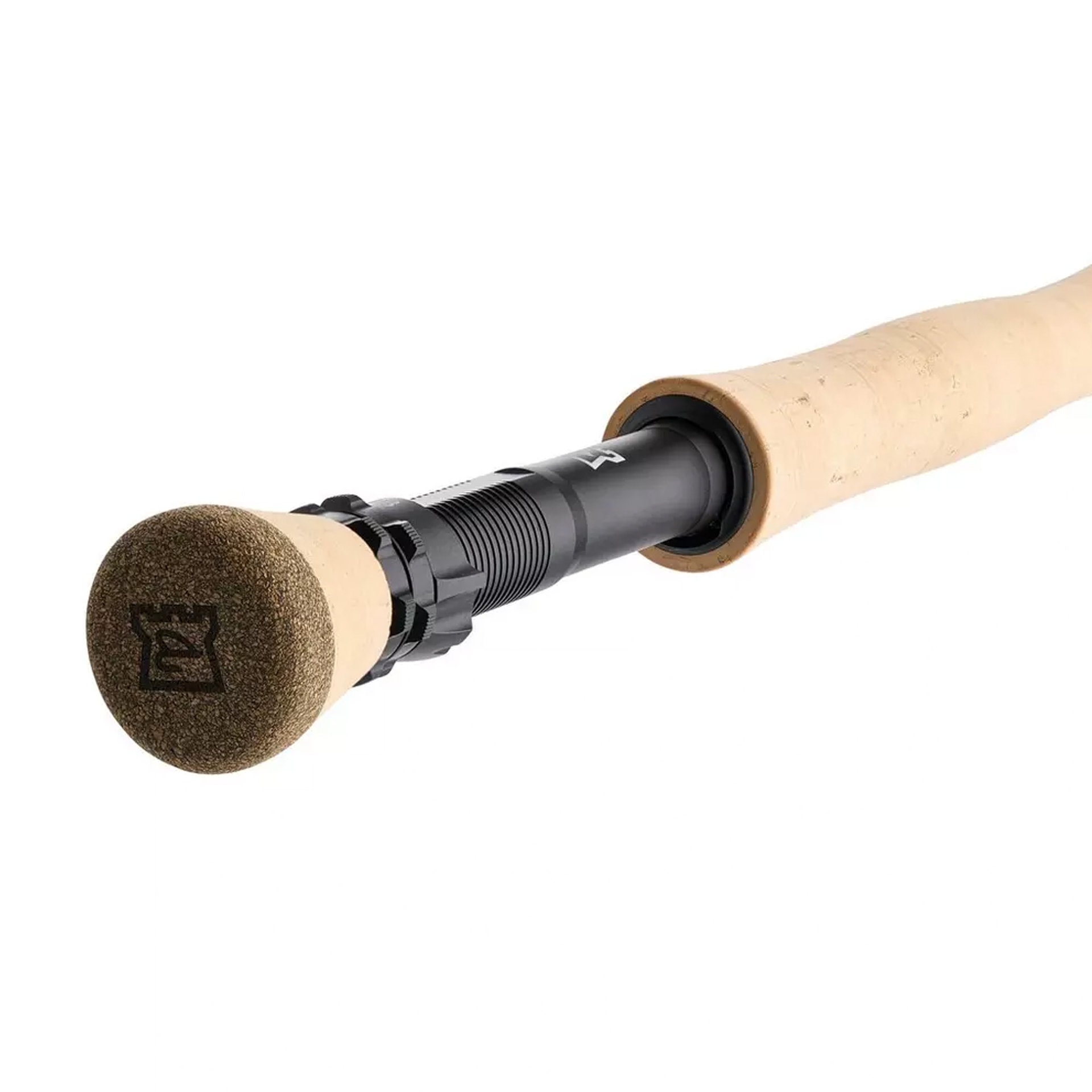
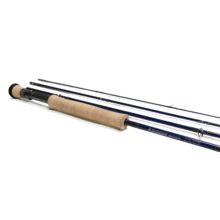
For fly fishing the beach, a fast-action 8- or 9-weight setup is ideal. Both weights have plenty of backbone for throwing small baitfish patterns and are more than capable of handling snook, jacks, or other inshore bruisers. The 9-weight has the edge when it’s breezy or when bigger fish like tarpon or overslot snook are in the mix—it punches through wind and turns over heavier flies more easily. Scale your rod size to the conditions that the day will likely bring. Bigger fish, heavier winds, larger flies, fish further out – 9-10 weights. More frequent small fish, slicked out conditions, spooky fish and multiple rejections after casts, 6-8 weight outfits.
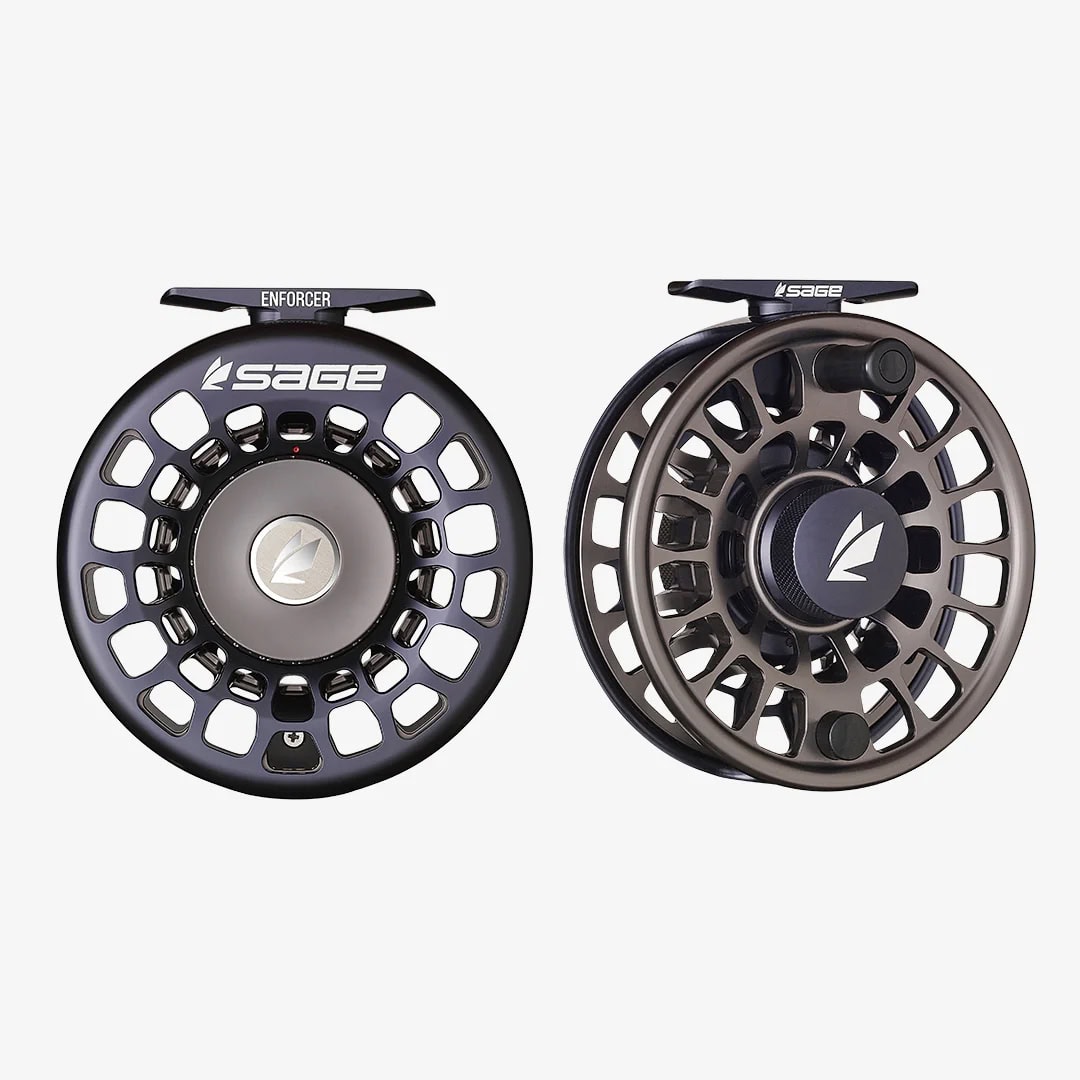
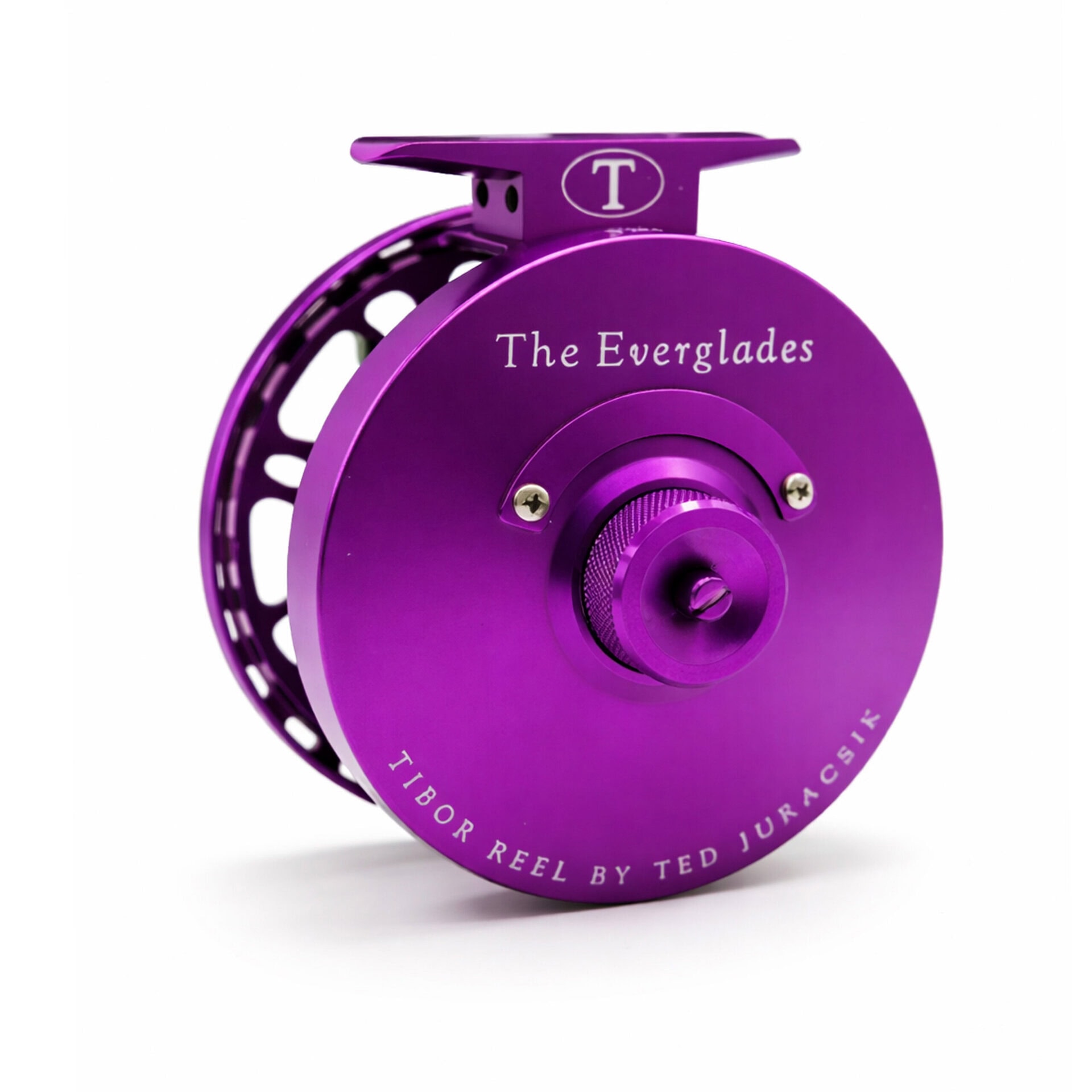
When it comes to reels, a large-arbor sealed or cork drag matched to your rod size is what you’re going to want. I’d highly recommend getting a nicer reel for the beach, even though most people worry about “getting sand in it.” Reels like the Tibor Everglades or the Sage Enforcer are two perfect options that fit the bill. One is tried-and-true cork, and the other has a fully sealed system—both are bulletproof and only need a quick rinse, even after being dunked in saltwater or sand.
-
 Select options This product has multiple variants. The options may be chosen on the product page
 -
 Select options This product has multiple variants. The options may be chosen on the product page
 -
 Select options This product has multiple variants. The options may be chosen on the product page
 -
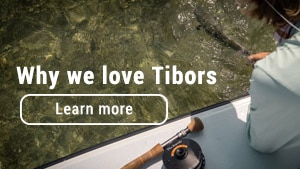
Features
- New Frost finishes utilize Tibor’s Certified Mil-A-8625 Type II Anodizing with fewer polishing steps for a less reflective surface with the same durability
- Made from solid aluminum bar stock
- Lightweight to balance with modern fly rods and reduce casting fatigue
- Triple outgoing line signals, easily removable for silent operation
- World famous Tibor drag system
- Made and assembled in the USA
Select options This product has multiple variants. The options may be chosen on the product page
Leader and tippet
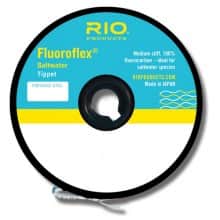
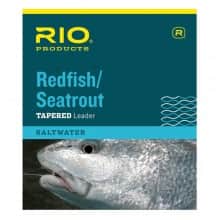
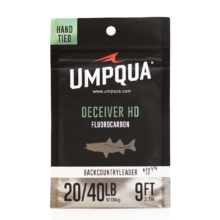
A standard leader setup is 9 feet in length, with a 16- or 20-pound class. In rougher surf, shortening the leader to 7 or 8 feet helps get your fly down and is easier to track where it is.
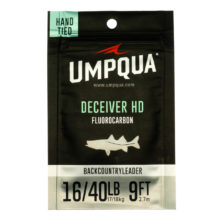
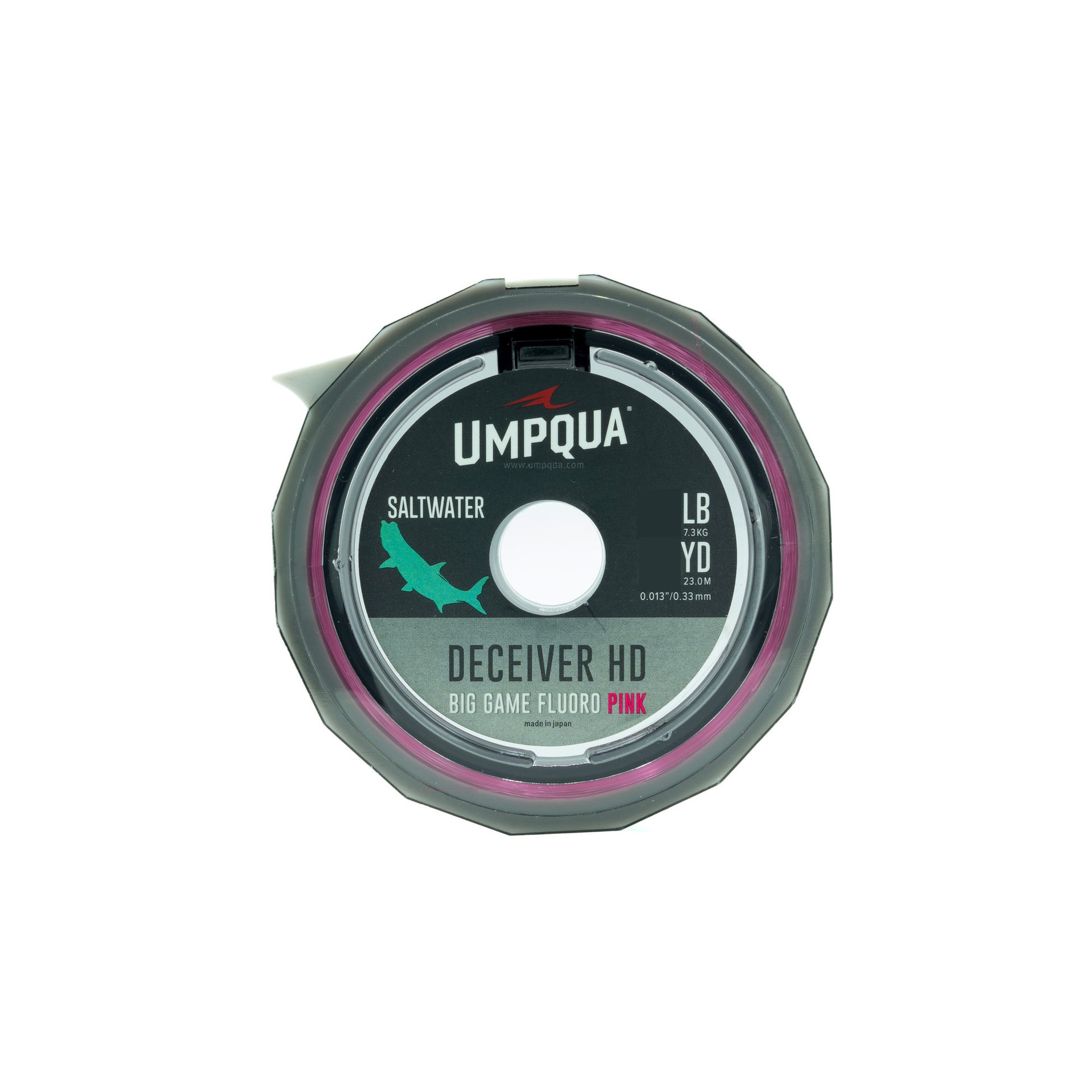
To that, add a 30–35 lb fluorocarbon bite tippet is also a necessity. Snook have sharp gill plates and rough mouths that can shred lighter tippet quickly. Make your bite tippet long enough (1.5–2 feet) so you can trim off frayed sections and re-tie your fly after each fish or bite.
-
 Select options This product has multiple variants. The options may be chosen on the product page
 -
 Select options This product has multiple variants. The options may be chosen on the product page
 -
 Select options This product has multiple variants. The options may be chosen on the product page
 -
 Select options This product has multiple variants. The options may be chosen on the product page
Fly lines
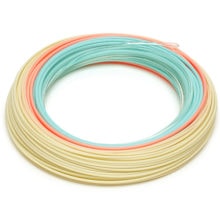
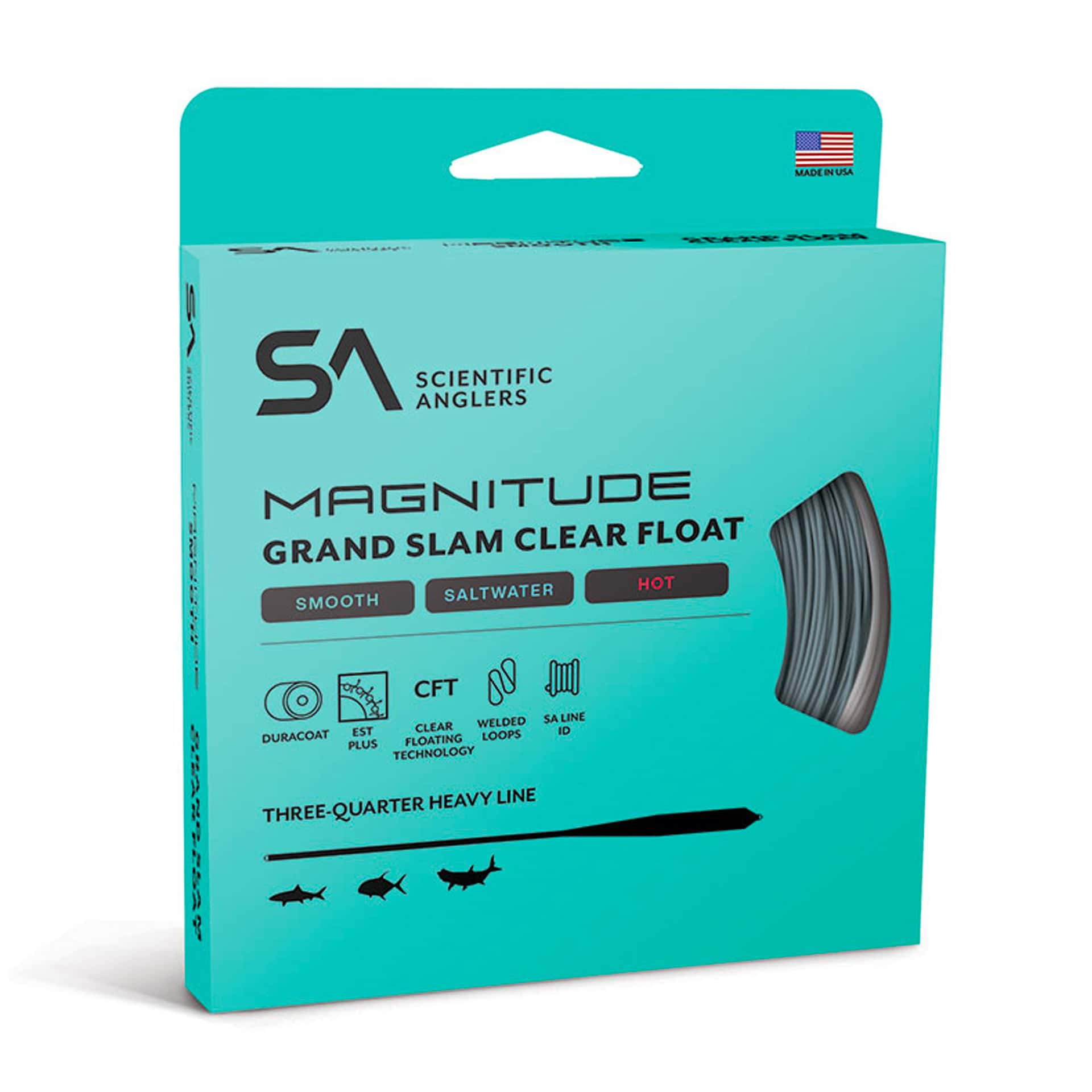
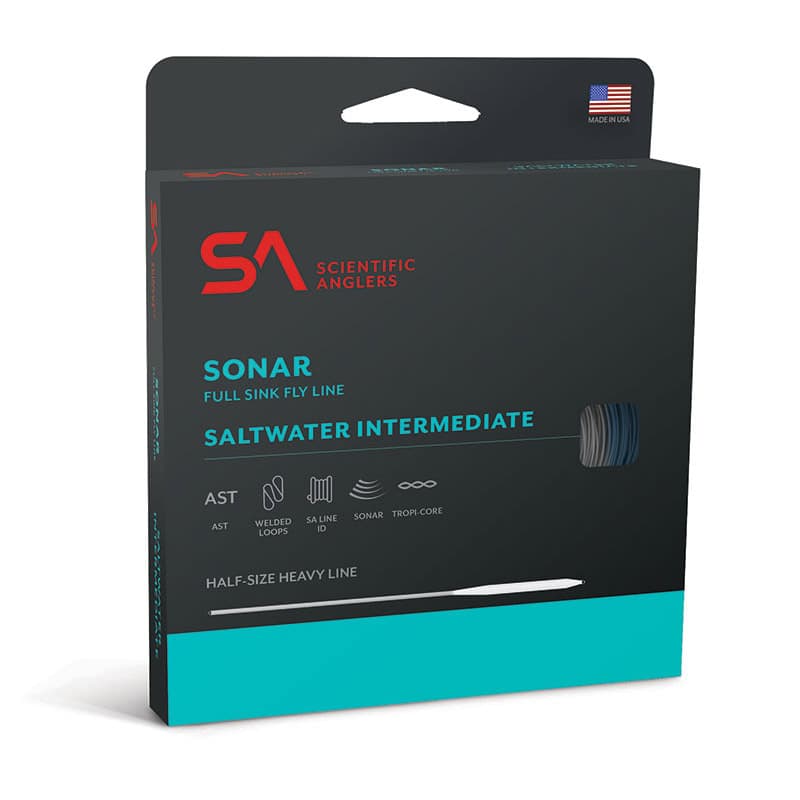
A full intermediate fly line is recommended for the beach for a few reasons. It helps cut through wave crests and keeps your connection to the fly tight. An intermediate line also slips under surface chop and floating seaweed when you strip with your rod tip down. On calmer days intermediate tipped fly lines are better at making second shots much easier to manage than an intermediate line. On the slick days, a floating clear lines proves to be extremely effective especially when the fish are very tight to the beach.
-
 Select options This product has multiple variants. The options may be chosen on the product page
 -
 Select options This product has multiple variants. The options may be chosen on the product page
 -
 Select options This product has multiple variants. The options may be chosen on the product page
 -
 Select options This product has multiple variants. The options may be chosen on the product page
Helpful Gear
A waterproof sling or waist pack:
This keeps your gear dry and safe if you have to wade out into the water to get a shot at deeper jacks, snook, or tarpon.
Polarized sunglasses:
A must for sight-fishing. This is a non negotiable if you want to see fish.
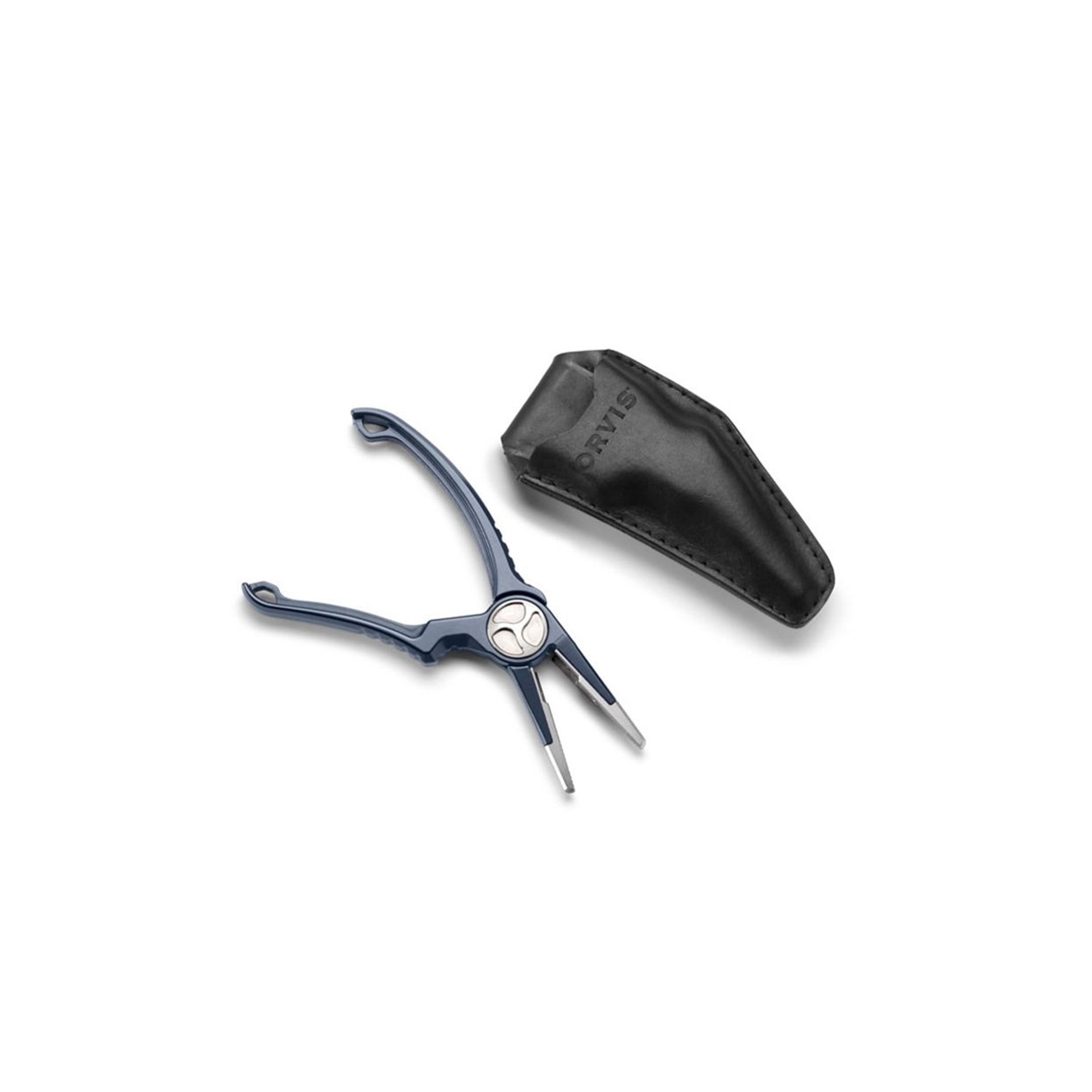
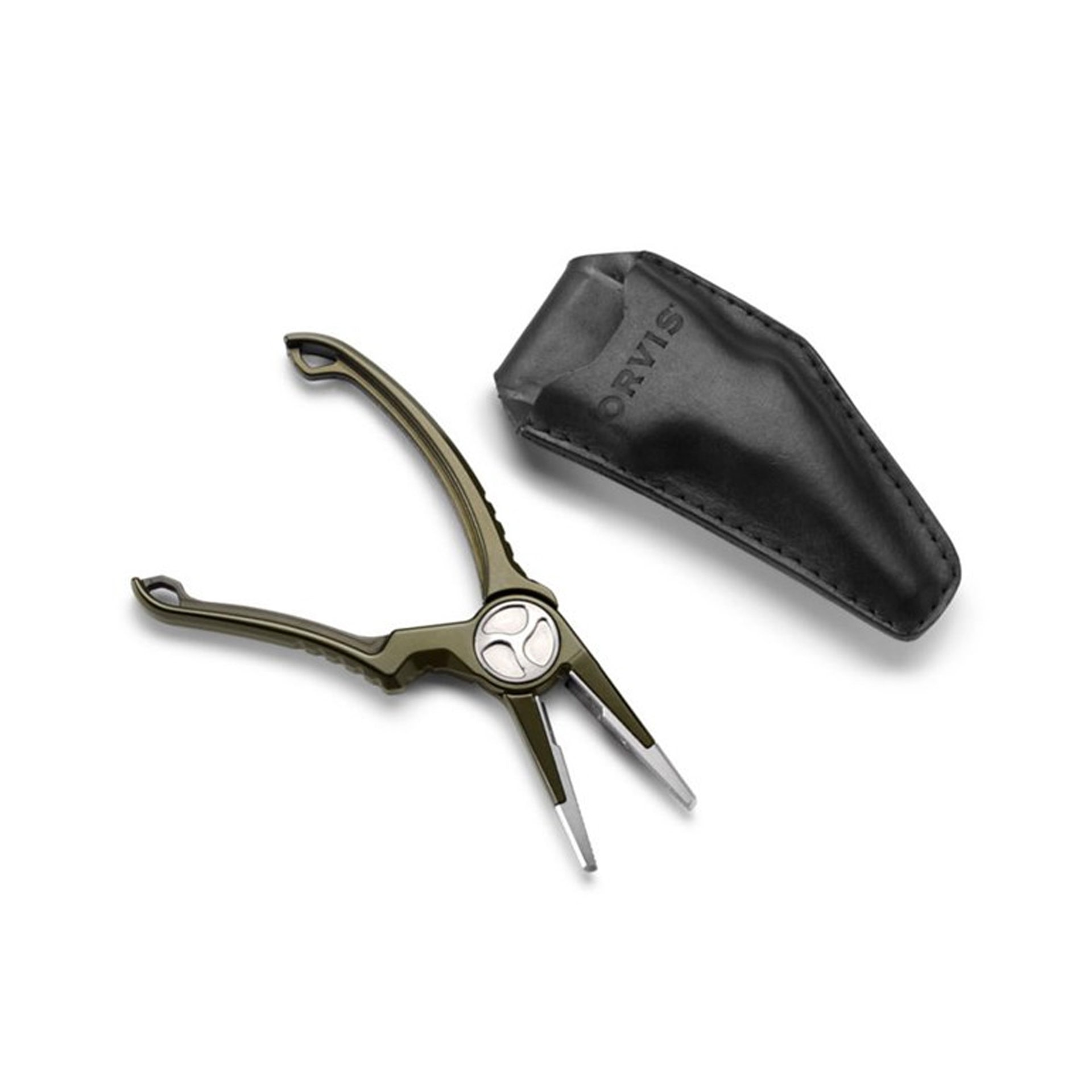
Pliers with cutters:
Don’t break your teeth and get your flies back. It’s pretty self explanatory.
A stripping basket:
This is a game-changer in choppy surf or when sargassum clutters the beach. It makes casting so much easier when the line is in the basket when sargasam is on the ground.
Footwear:
Shoes are an option on either coast but especially on West Coast of Florida where the shells are a little thicker and rougher on the feet. Sun-protection is also a thing.
To check out the full list of items
-
 Select options This product has multiple variants. The options may be chosen on the product page
 -
 Select options This product has multiple variants. The options may be chosen on the product page
 -
 Select options This product has multiple variants. The options may be chosen on the product page
 -
 Select options This product has multiple variants. The options may be chosen on the product page
Flies and what they should imitate.
Tying your own
Size: #1 to 3/0
Profile: Slim, baitfish-like
Action:
Moderate to fast retrieve with long strips
Colors:
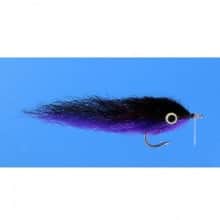
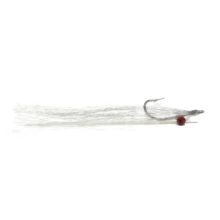
Natural: white, tan, olive, silver, translucent
Contrasting: black/purple, chartreuse (dirty water | low light),
Weight: Mostly unweighted or lightly weighted to swim just below the surface. Bead chain eyes, or a few lead wraps of wire work well.
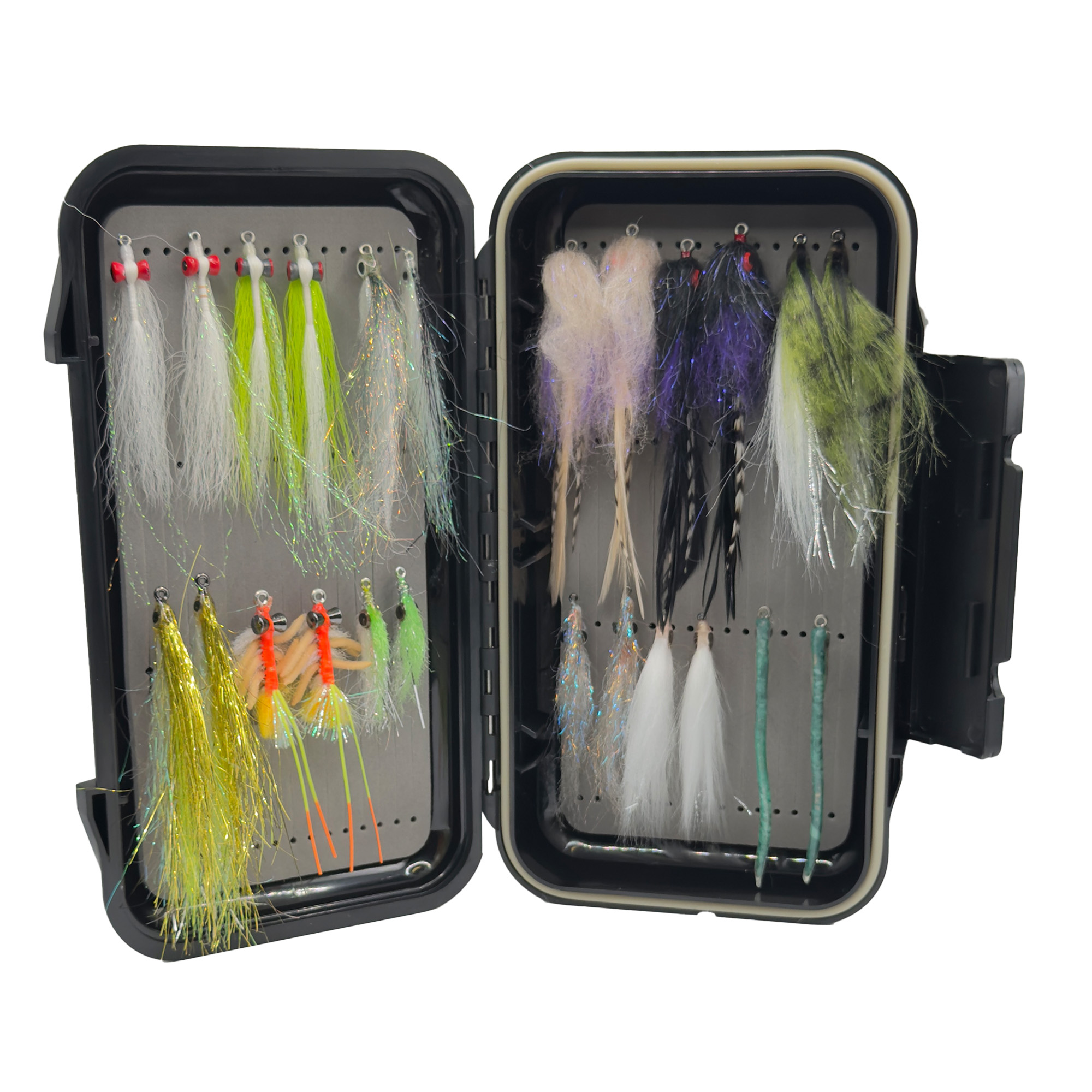
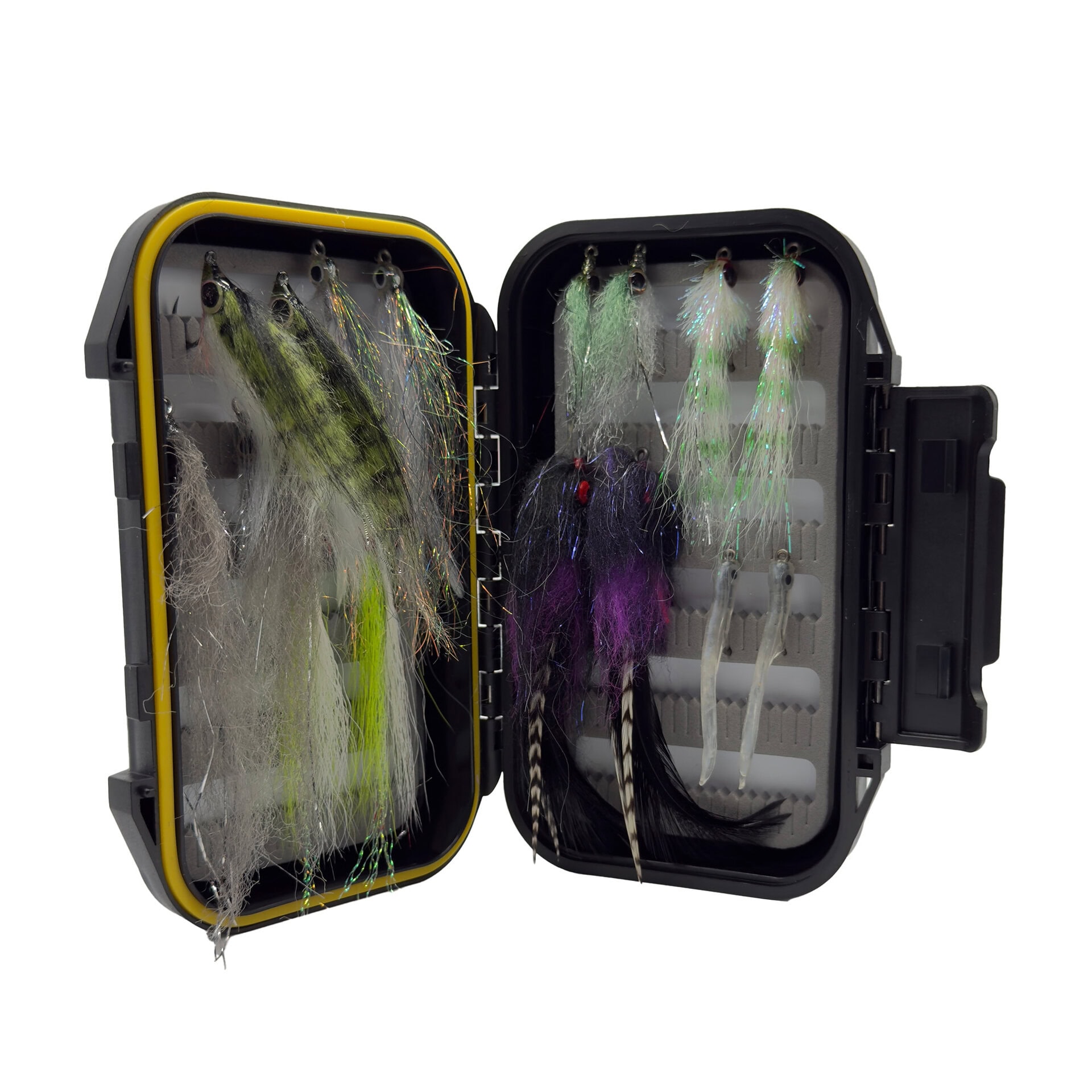
When it comes to purchasing flies, we have a box available in two sizes handpicked by our staff to have you covered in any situation you find yourself in off the beach. Below are just a few key flies I love to have with me, be sure to check out Surf Fishing Essentials to find a larger selection of flies.
-
 Select options This product has multiple variants. The options may be chosen on the product page
 -
 Select options This product has multiple variants. The options may be chosen on the product page
 -
 Select options This product has multiple variants. The options may be chosen on the product page
 -
 Select options This product has multiple variants. The options may be chosen on the product page
The beach can be unforgiving but when it all comes together; there is nothing better.