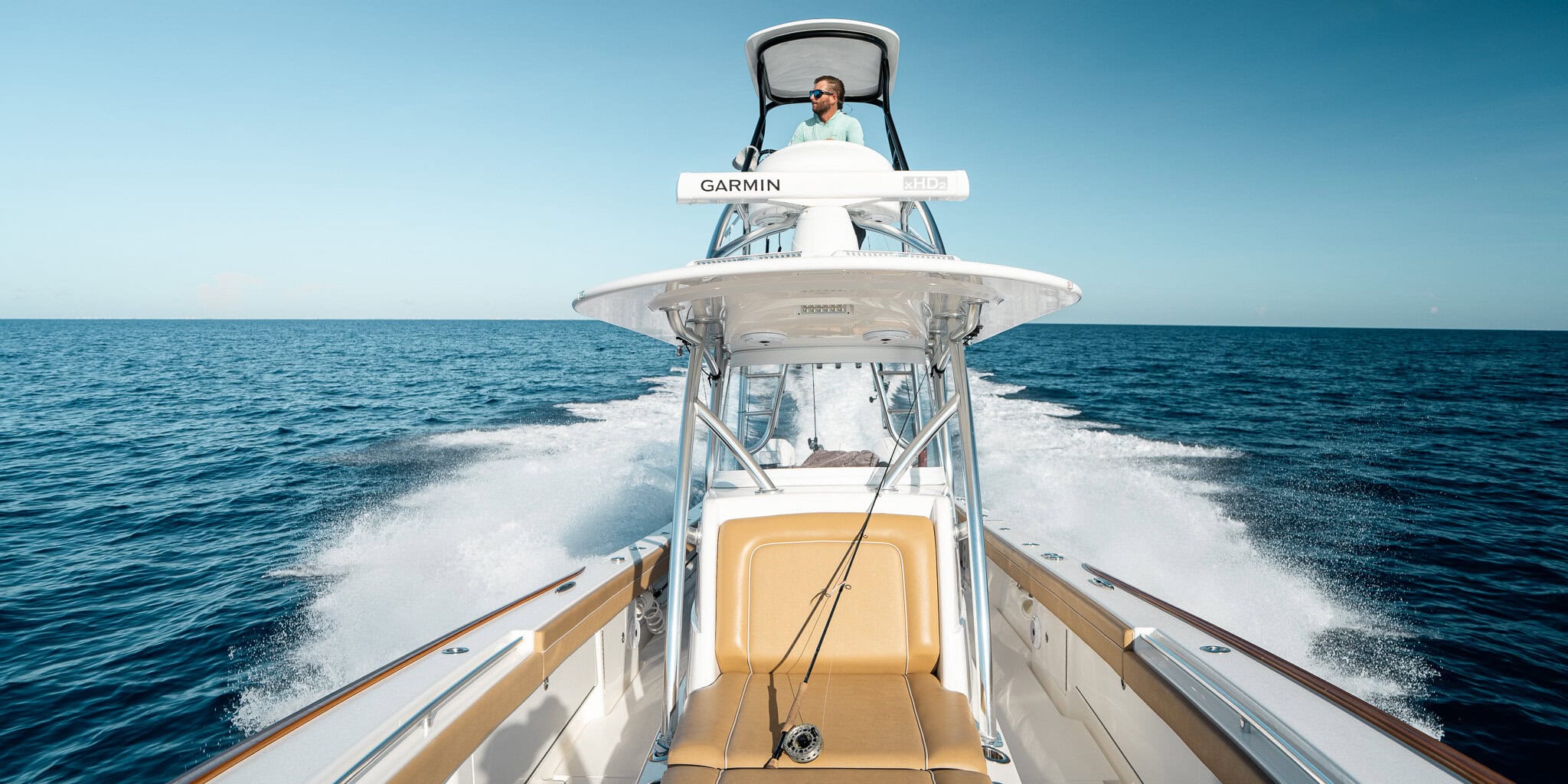
Fly Fishing for Bonita in Southeast Florida
If you’ve never been in your backing and you want to, come to South Florida and go Bonita fishing. It feels like you’re attached to a tourist on a jet ski.
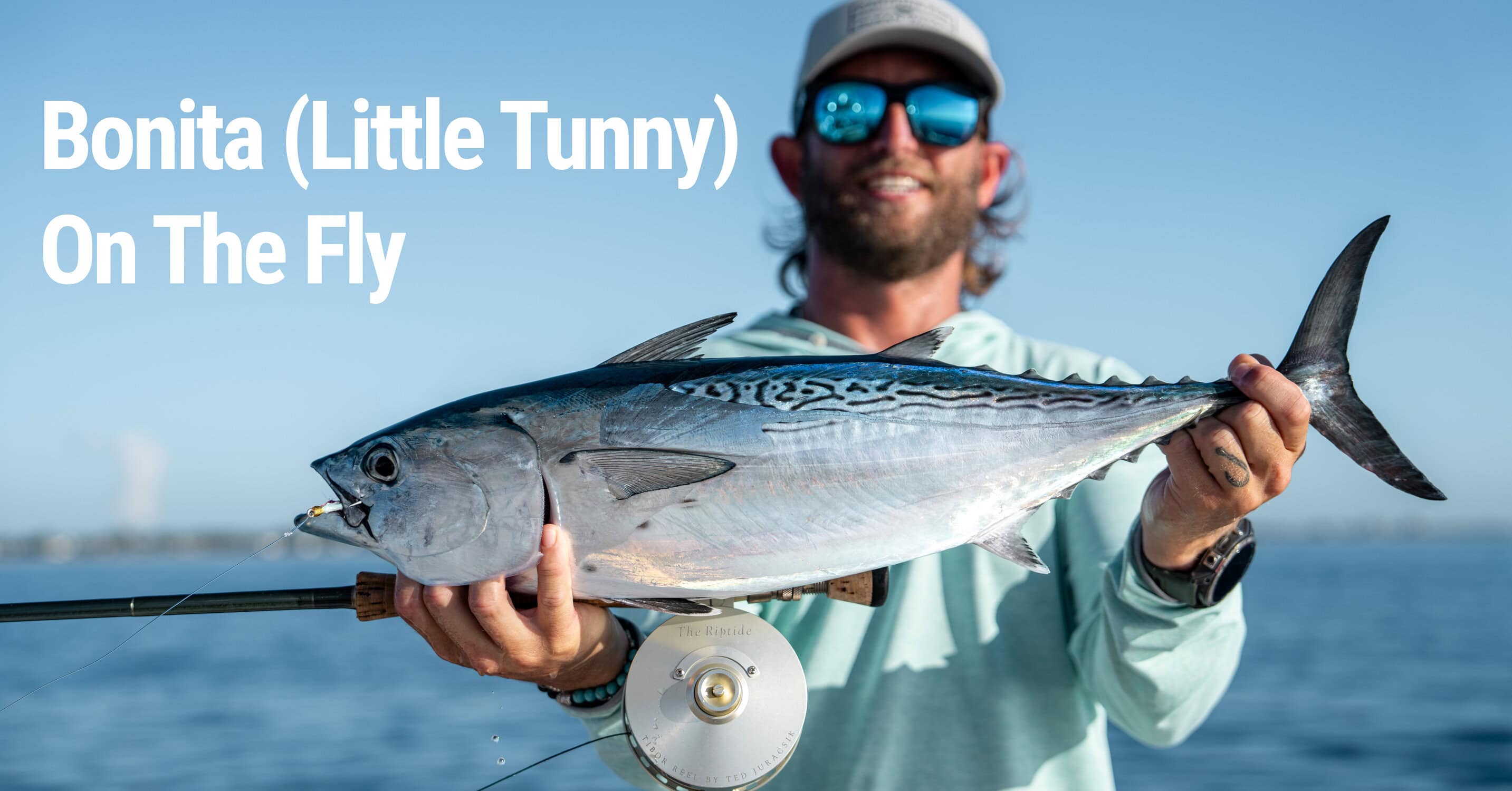
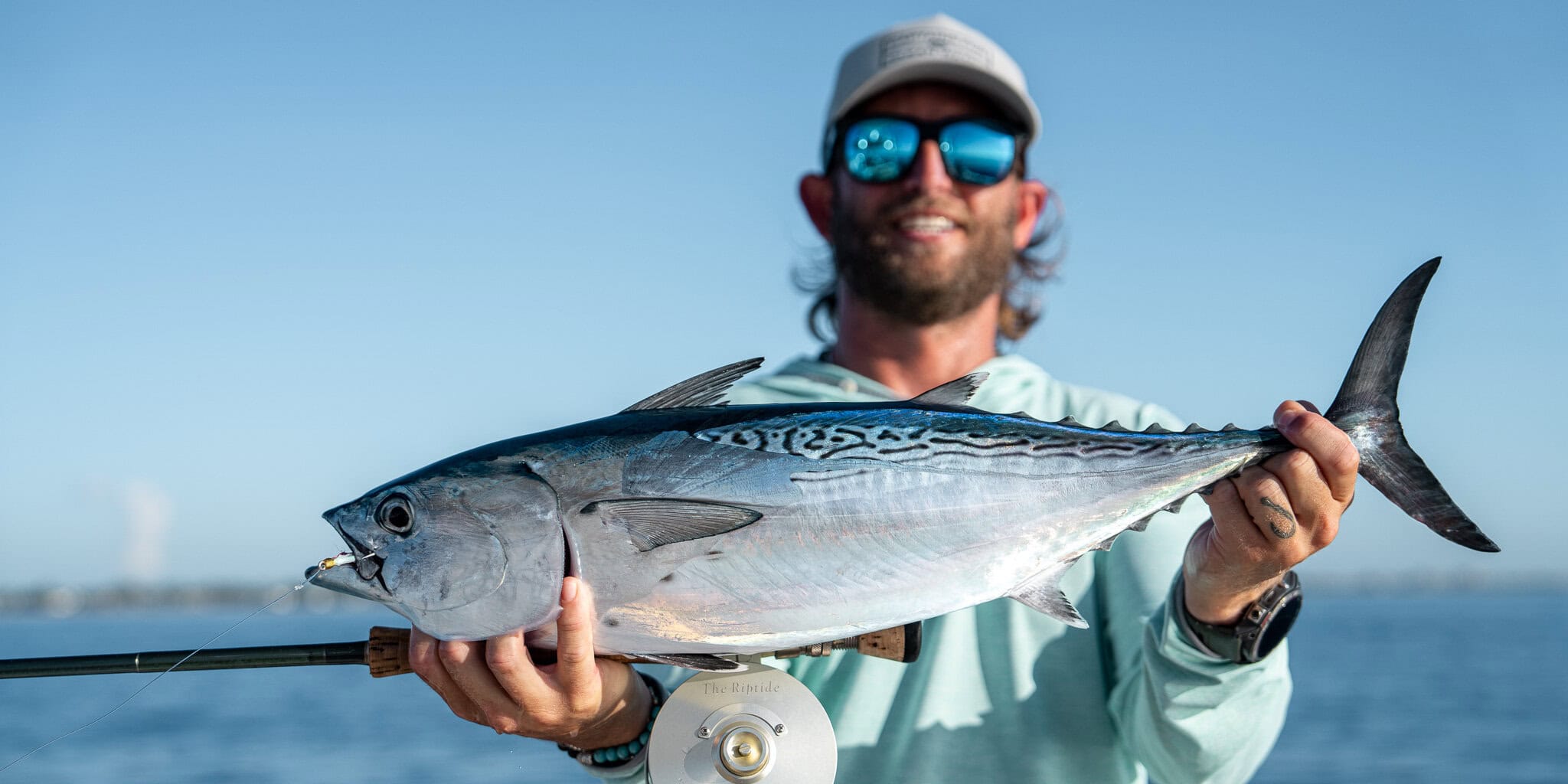
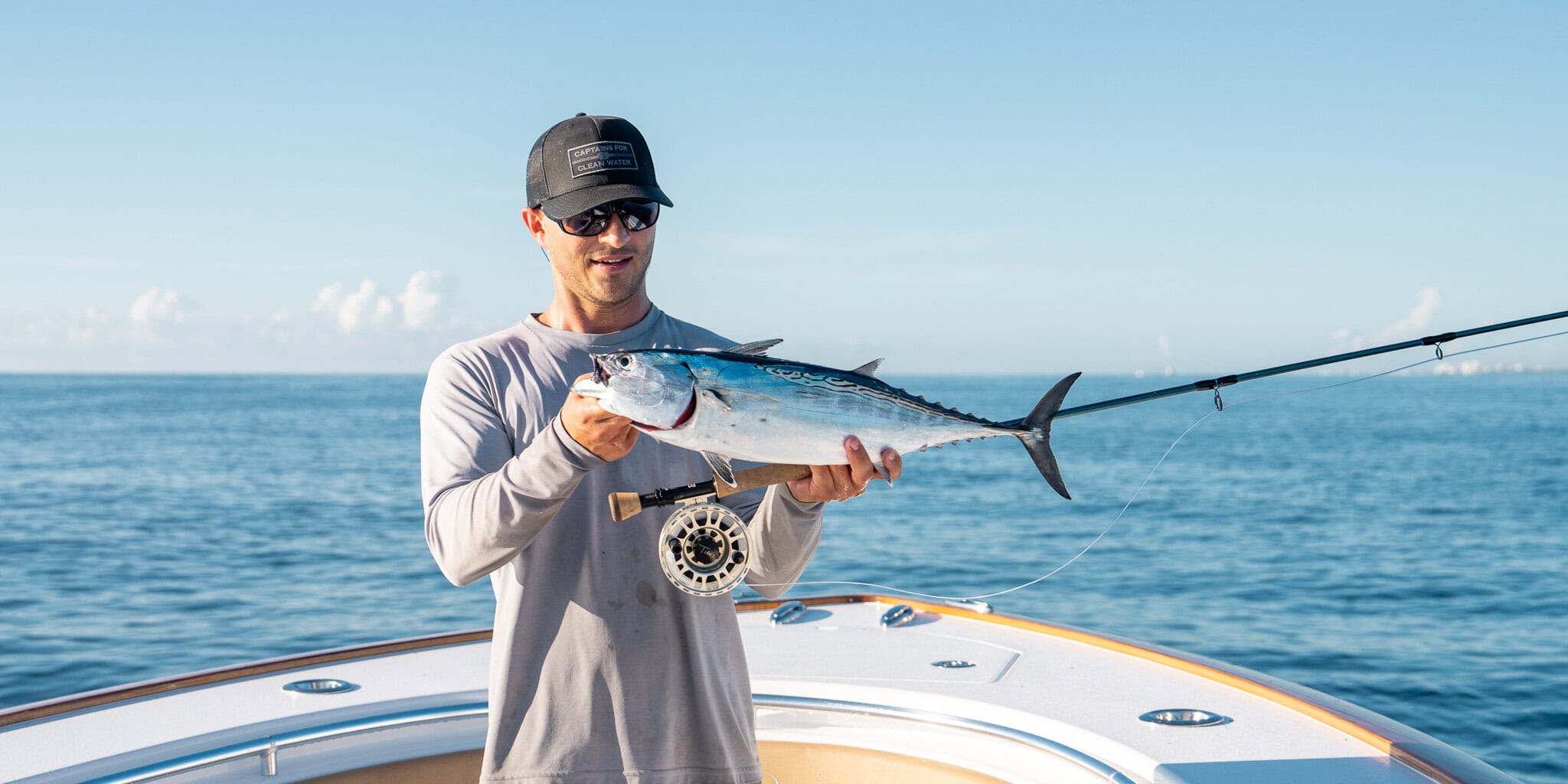
Bonita down here is usually little tunny—a compact tuna relative that’s all muscle, all the time. They show up fast, they feed hard, they don’t read the rulebook, and they’ll absolutely punish a bad drag. Are they the prettiest fish in the ocean? No. Are they one of the most fun things you can hook on a fly when you want pure, ridiculous action? 100%.
Bonita are built for speed and endurance. When they crash bait on the surface, it’s like someone tossed a handful of firecrackers into a school of glass minnows. They’ll blitz, sound, reappear 80 yards away, and do it again and again.
Finding the Fish
Find the bait and you’ll find the fish. Start by hunting for signs—birds picking, nervous water, showering bait, and those sudden surface “explosions” where it looks like someone tossed gravel into the ocean. The most reliable areas are reef lines, color changes/edges, nearshore rips, and inlets on moving water, because all of those spots naturally stack bait and give bonita a reason to cruise. When you see fish blowing up, don’t charge straight into it; slide in on a drift or slow approach so you don’t push the bait down and turn the whole scene off.
Your highest odds are early morning and late afternoon, especially on days with visible bait and steady current movement—bonita love when the ocean is coming alive. The best ways that have worked for me over the years:
run and look for birds/bait,
Set up a drift instead of chasing the school (know your drift before finding the school of bonita!)
Make one clean cast that leads the moving school
A tip, strip fast enough that your fly looks like it’s trying to escape. Think “intercept,” not “cast into the middle of the chaos.” If they’re swiping and missing, change the rhythm—two quick strips and a tiny pause can get them to commit, and if they’re down under the bait, let the fly sink for a second or two before you start the retrieve. Two hand stripping is also incredibly productive for this style of fishing and normally works better.
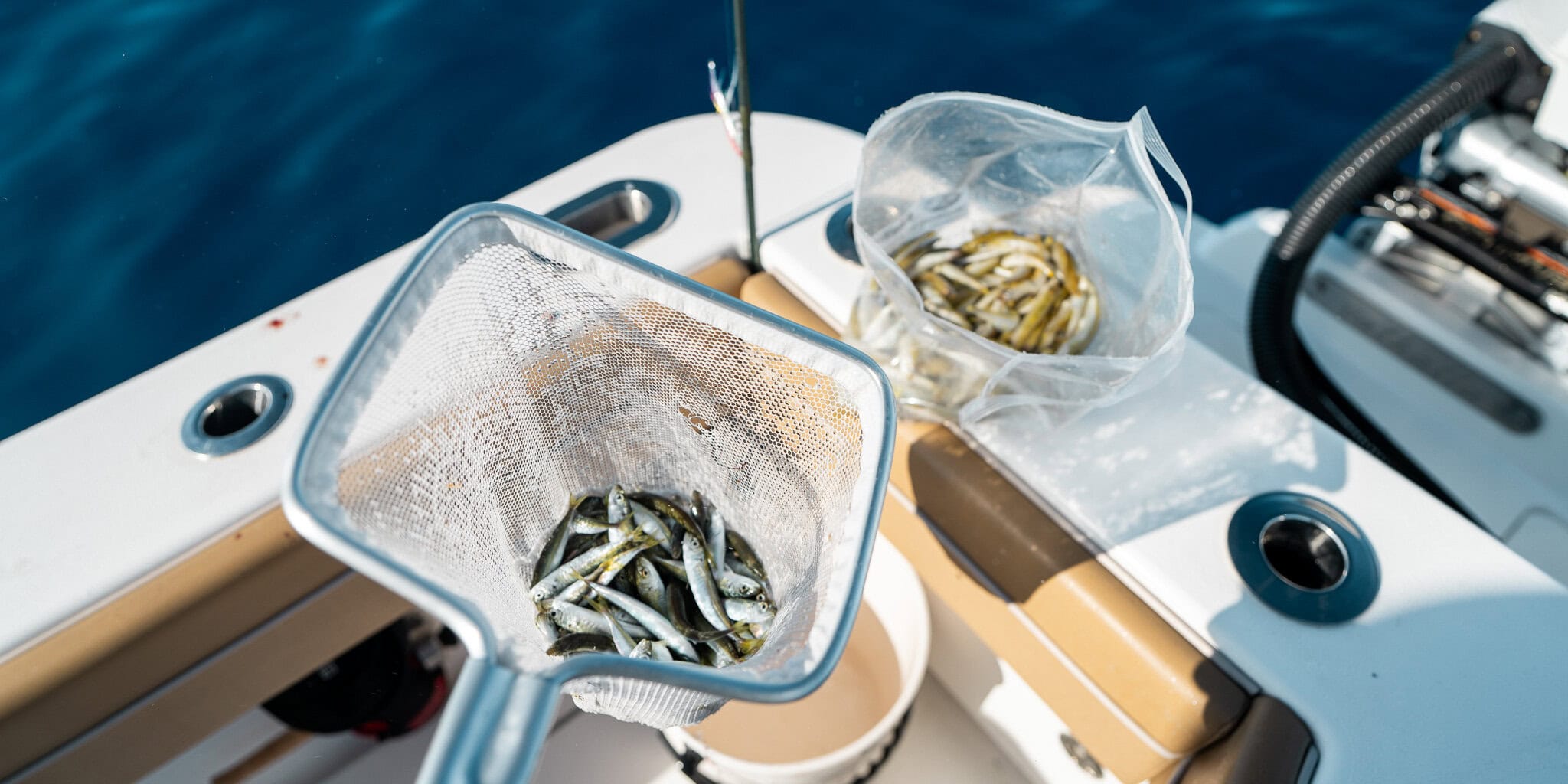
Another slick way to keep bonita in the neighborhood—especially when they’re down and not showing on top—is using live chummers. A steady trickle of live/dead bait keeps predators interested, and can turn a random pass-by into a group of fish that actually sticks with you long enough to get multiple clean fly shots.
The key is doing it smart: set up on a drift or slow idle where current will carry the freebies back behind the boat, and start with a light, consistent feed so you’re “ringing the dinner bell” without overfeeding. When it works, you’ll see the water come alive—baits getting nervous, flashes underneath, and that telltale push or boil as bonita slide in. This is especially handy on days when you’re seeing bait on the machine but not getting surface feeds, or when the wind/chop makes it tough to spot fish from a distance.
From a fly-fishing perspective, live chumming isn’t about replacing the cast—it’s about creating time and positioning. While the chummer keeps fish engaged in the slick, you can set anglers up for higher-percentage shots: cast slightly off to the side of the freebies, match the bait size with a sparse fly, and strip just fast enough to stand out as the “one that’s trying to get away.” When the fish are already hanging around, you’re not forcing rushed hero casts—you’re calmly picking targets and getting the kind of eats that feel like someone hit your fly with a hammer.
This brings me onto the next thing – having the right boat.
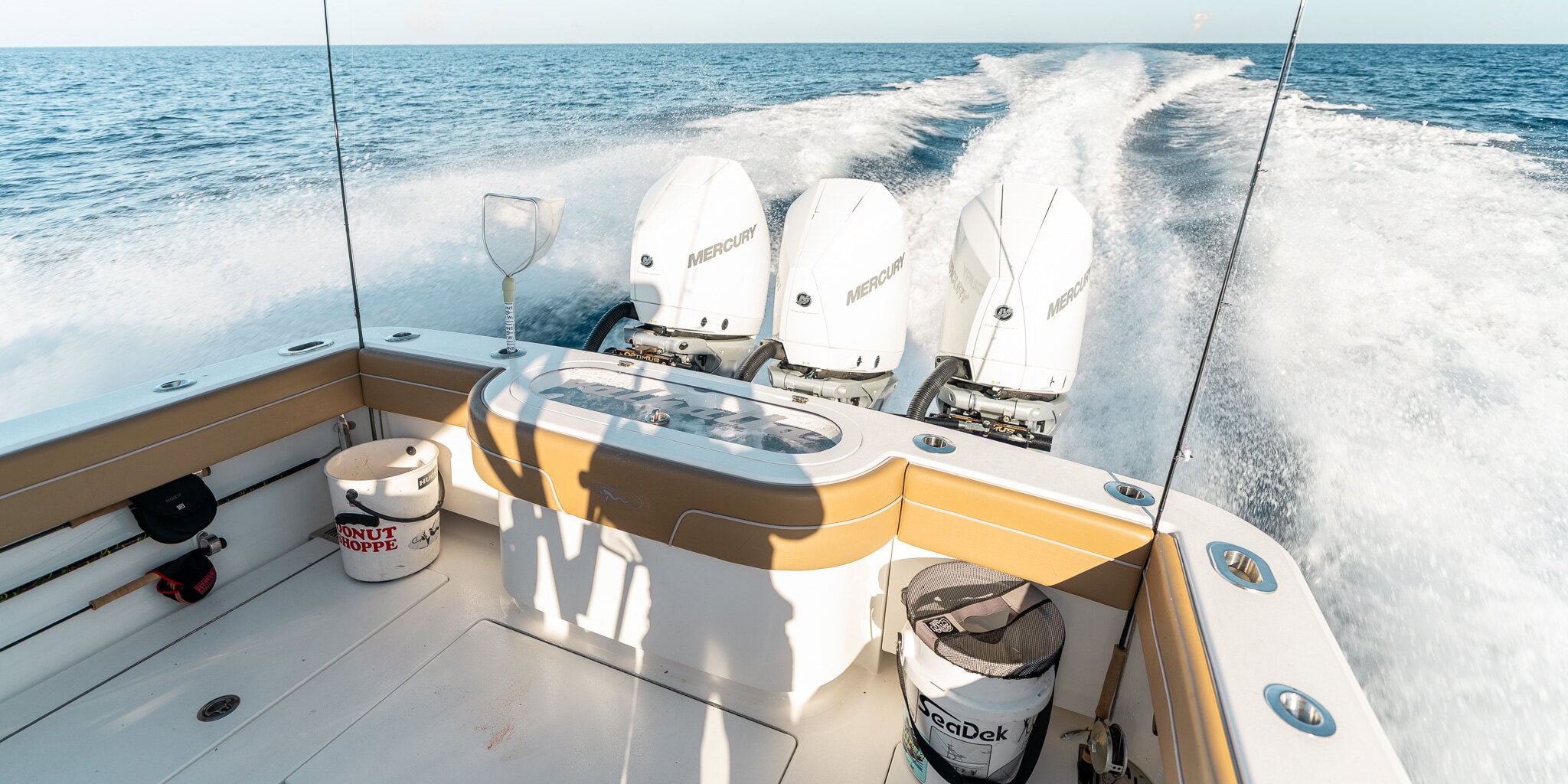
The “Proper Boat” for Southeast Florida Bonita
Let me prefix this by saying you can do it with a small crappy boat and a 5 gallon bucket as your livewell, buttt.. when your good friend Joe gives you a call to fire up the Valhalla – you don’t turn it town. .
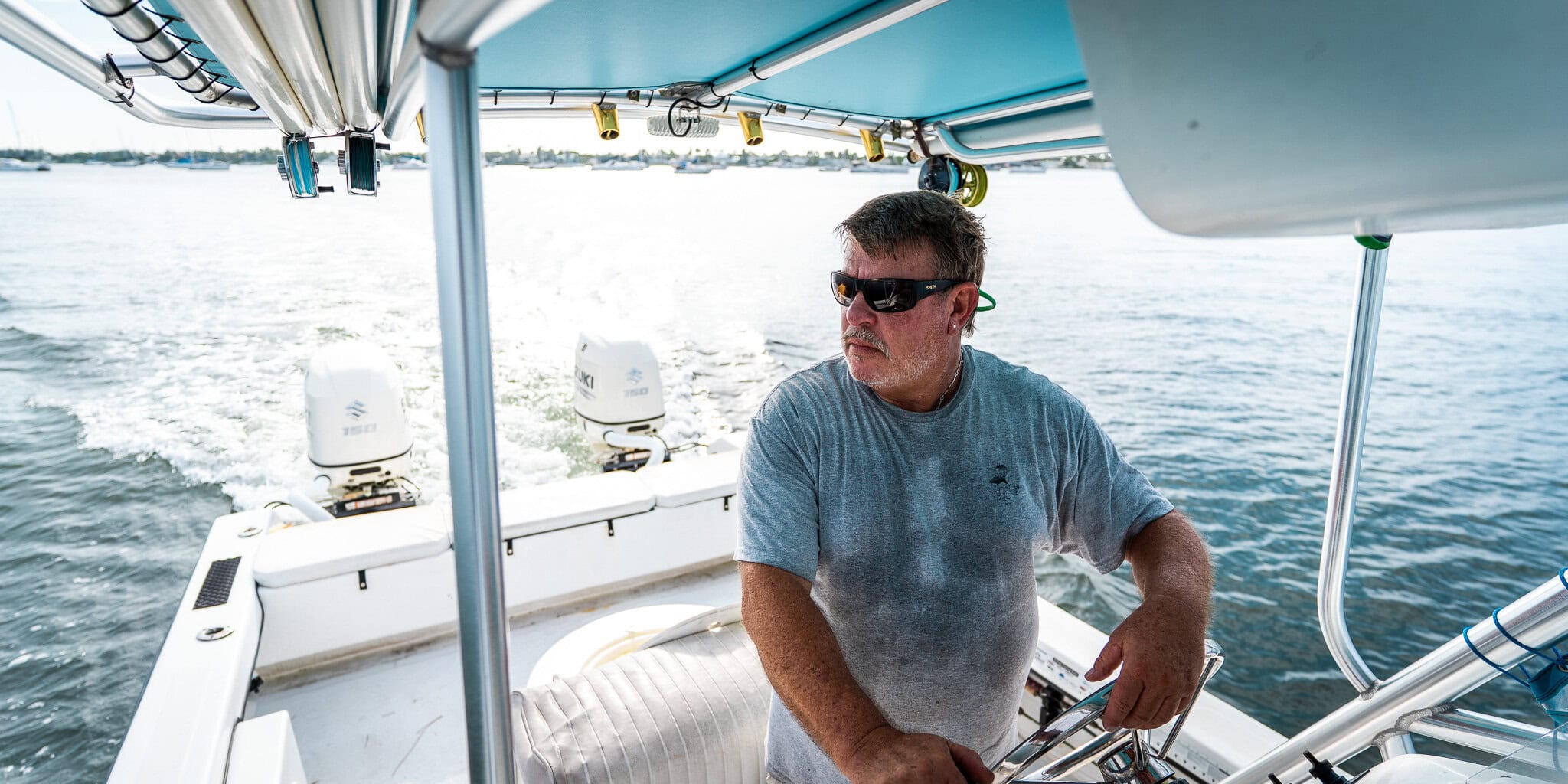
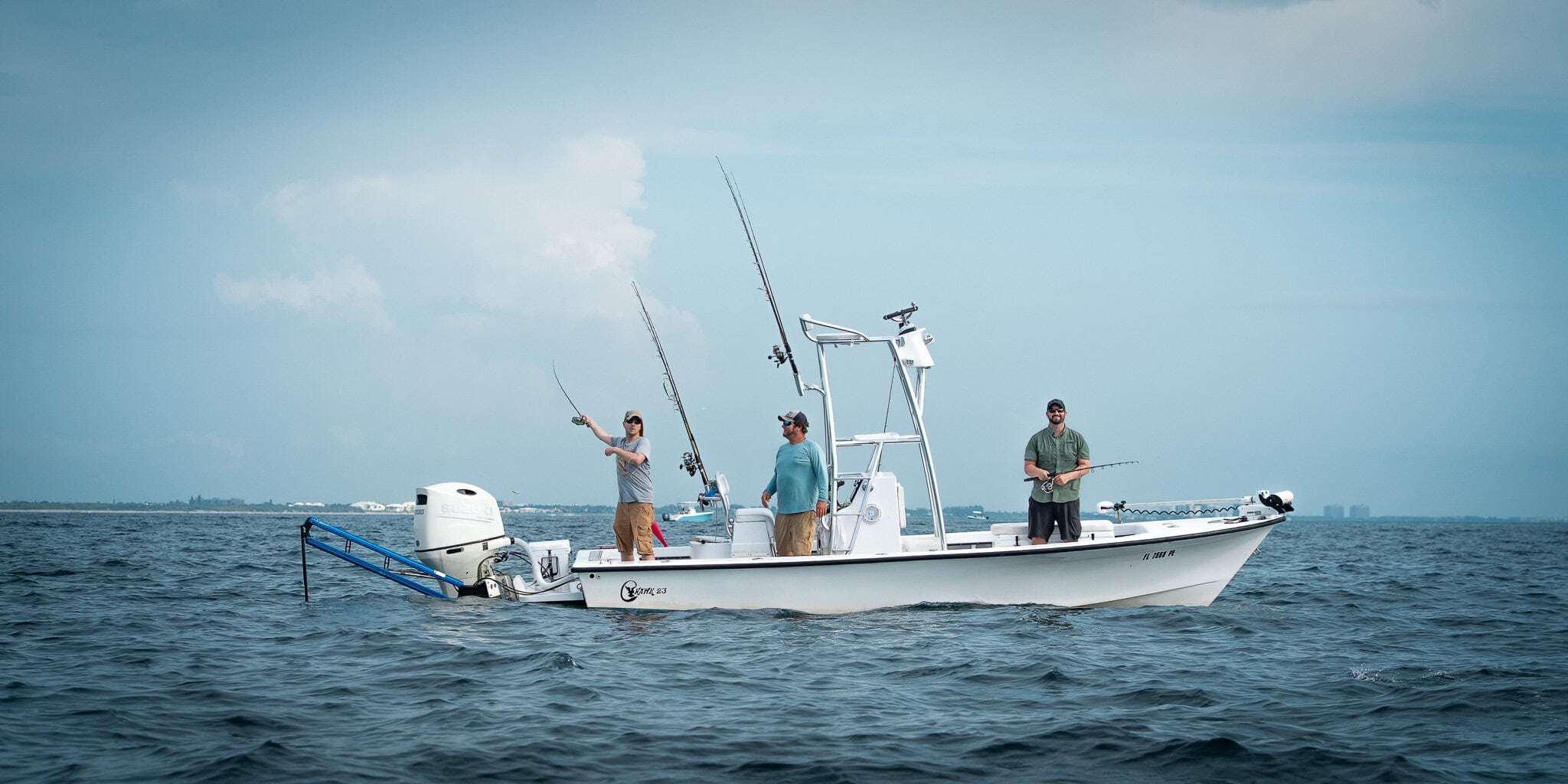
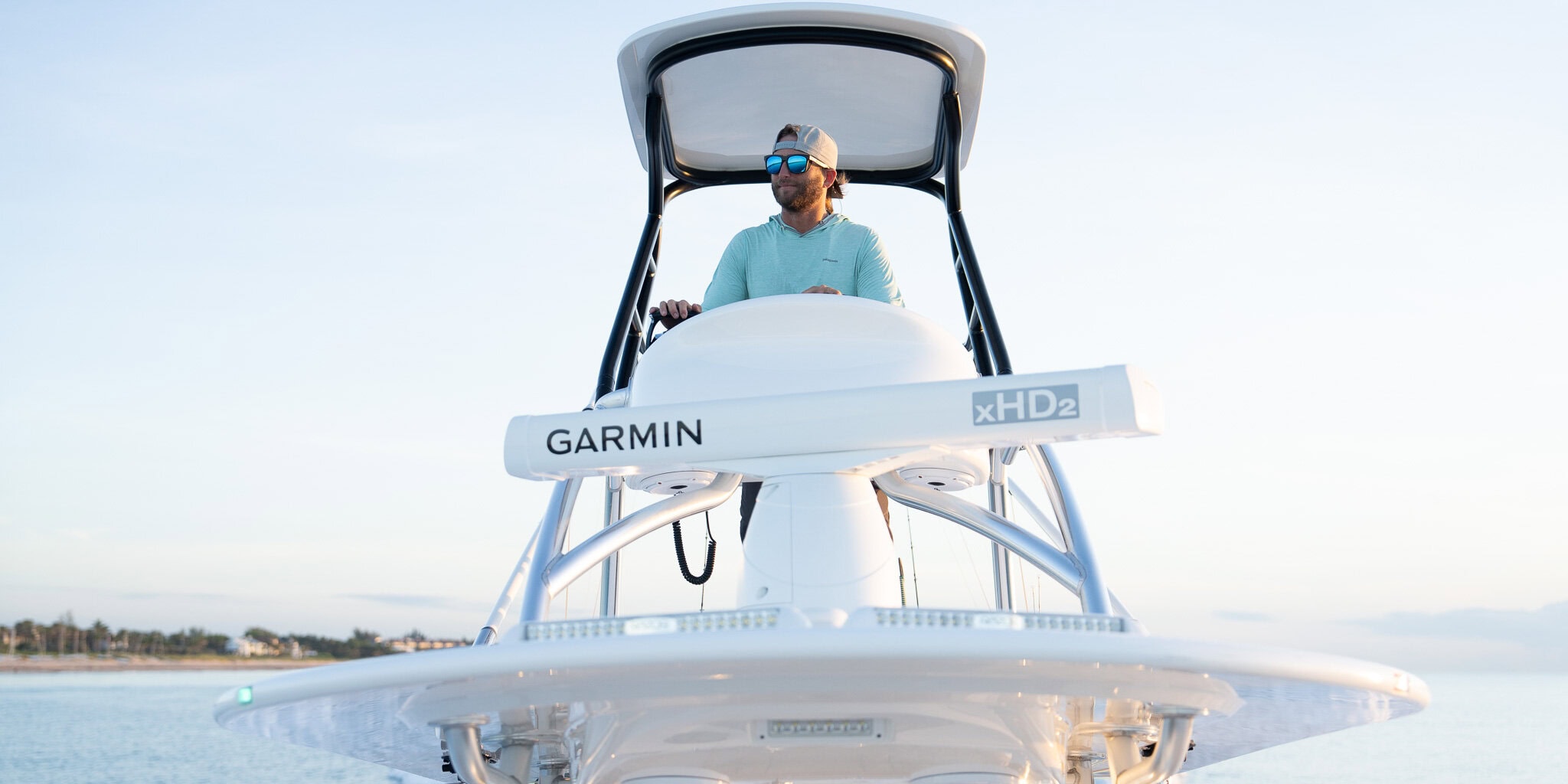
Bonita fishing down here is a run-and-gun game, and the right boat turns it from “we’re kind of in it” to “we’re on them all morning.” A large, open layout matters because when fish pop up, everyone needs room to move, cast, and clear line without tripping over coolers, rods, or each other. An uncluttered bow and a clean cockpit let an angler step, pivot, and fire a quick shot—because with bonita you usually get seconds, not minutes. Wide, stable platforms also make it easier to fish comfortably in a little chop and keep your presentation clean instead of rushed.
(The seakeeper is incredible for casting)
A tower (or at least a solid elevated vantage point) is a huge advantage. Height equals vision: you can spot bird piles, surface nervousness, bait balls, color changes, and moving fish from farther away, which means less blind searching and more controlled approaches. It also helps you “read” the direction the feed is traveling so you can set up an intercept drift instead of chasing wakes and spraying the fish down. When the person up top can call out “they’re moving left to right, 200 yards, coming fast,” the whole boat suddenly looks like it knows what it’s doing.
And even though you’re throwing flies, a good livewell is still a big deal . Keeping live pilchards, goggle-eyes, or other local baits healthy lets you prospect effectively when the surface action disappears, and it gives you an easy way to keep fish around (or bring them up) if they’re down and not showing. A healthy well means your bait stays lively, your options stay open, and your day doesn’t hinge on a single 30-second blitz. Smart rod storage—is a must. Then – you’ve got a setup built for exactly what SE Florida bonita do best: show up fast, move farther, and make you glad you came prepared.
Rods, Reels, Lines
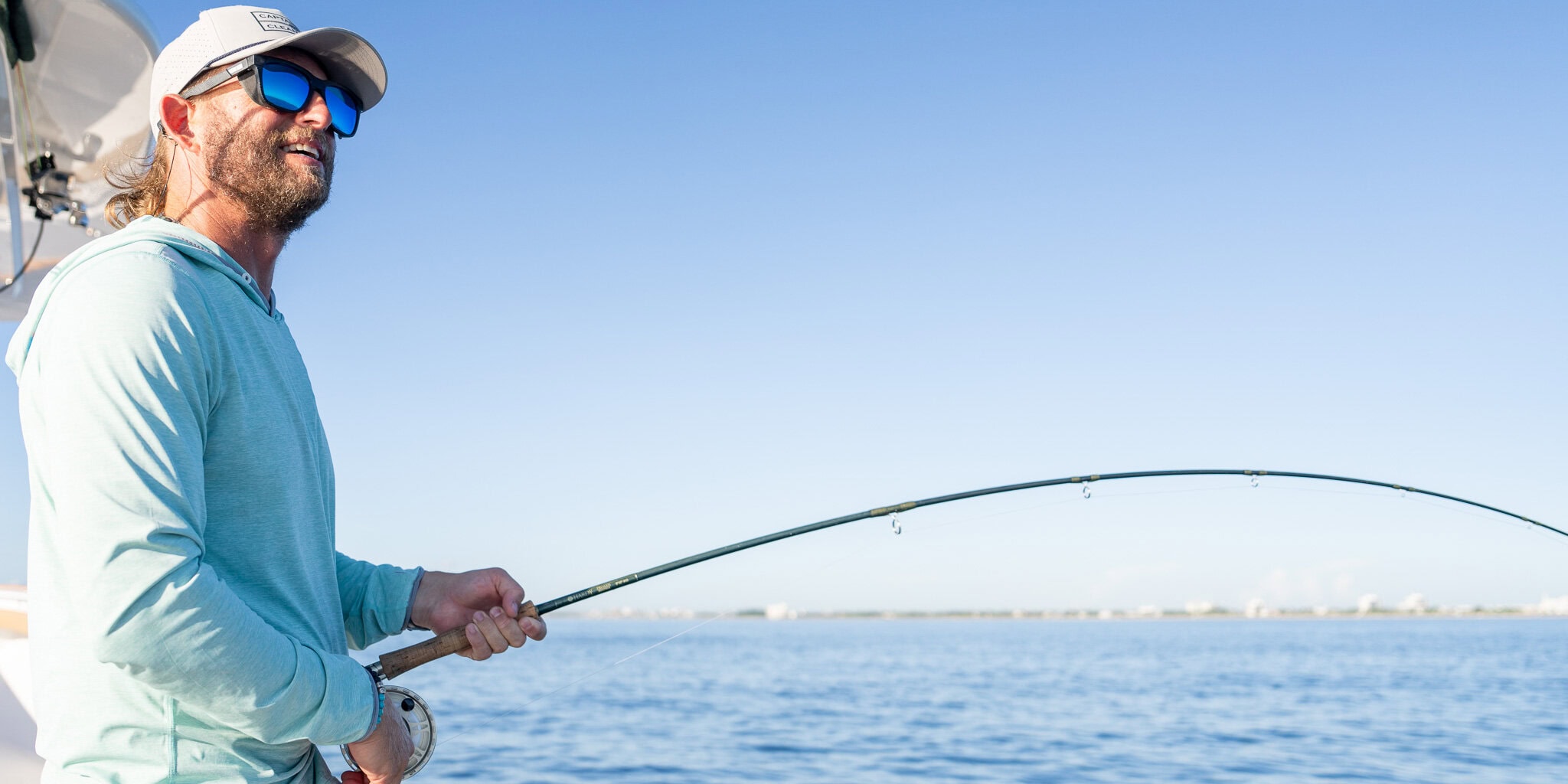
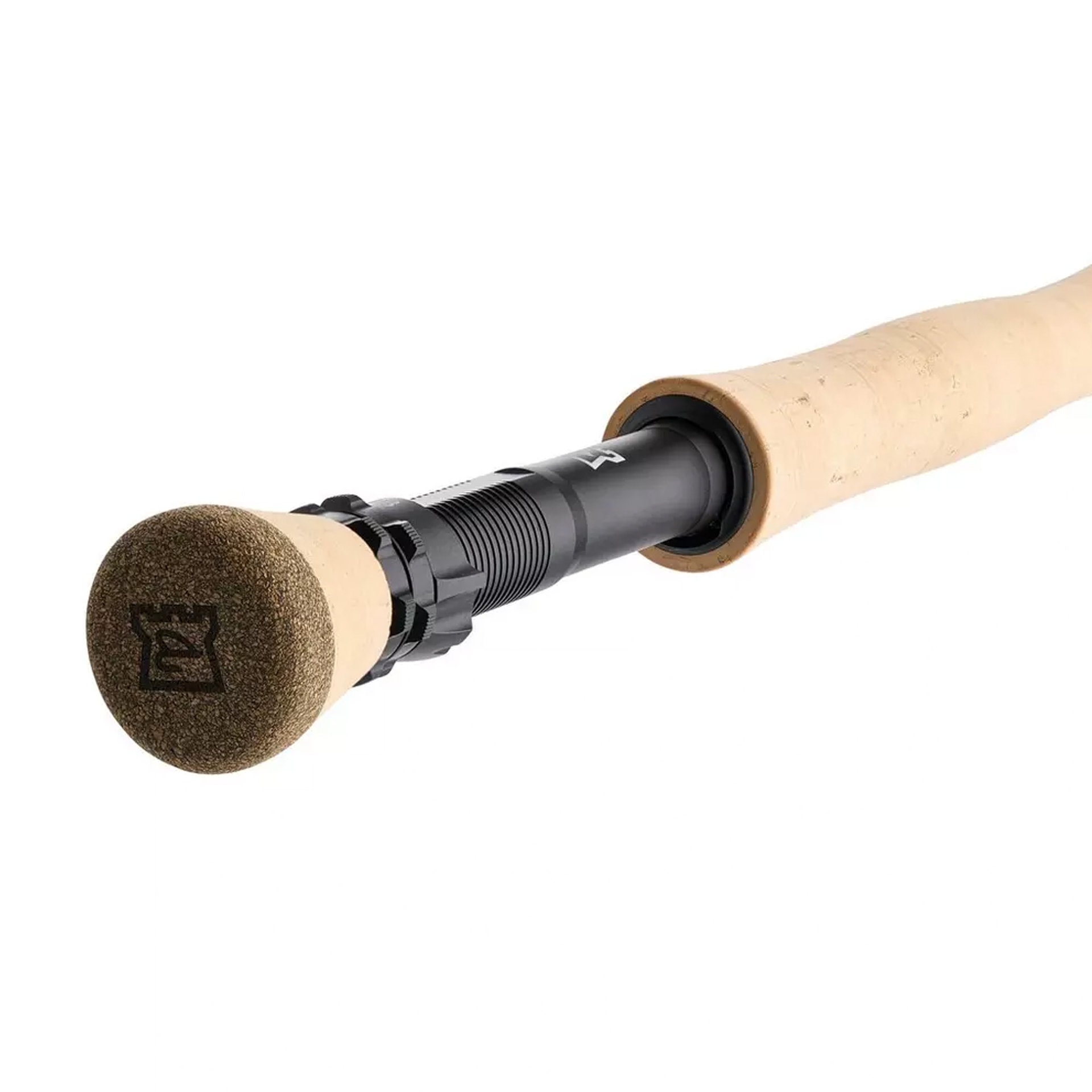
A 9-weight is the sweet spot for most days: enough backbone to lean on a fast fish, enough line speed to cut the wind, and still fun when they’re in that 5–15 lb class. An 8-weight works when conditions are calm and you want it sportier, while a 10-weight shines if it’s blowing or you’re mixing in bigger, meaner bycatch. Pair it with a reel that has a smooth, strong drag and plenty of backing—bonita don’t negotiate, they just leave.
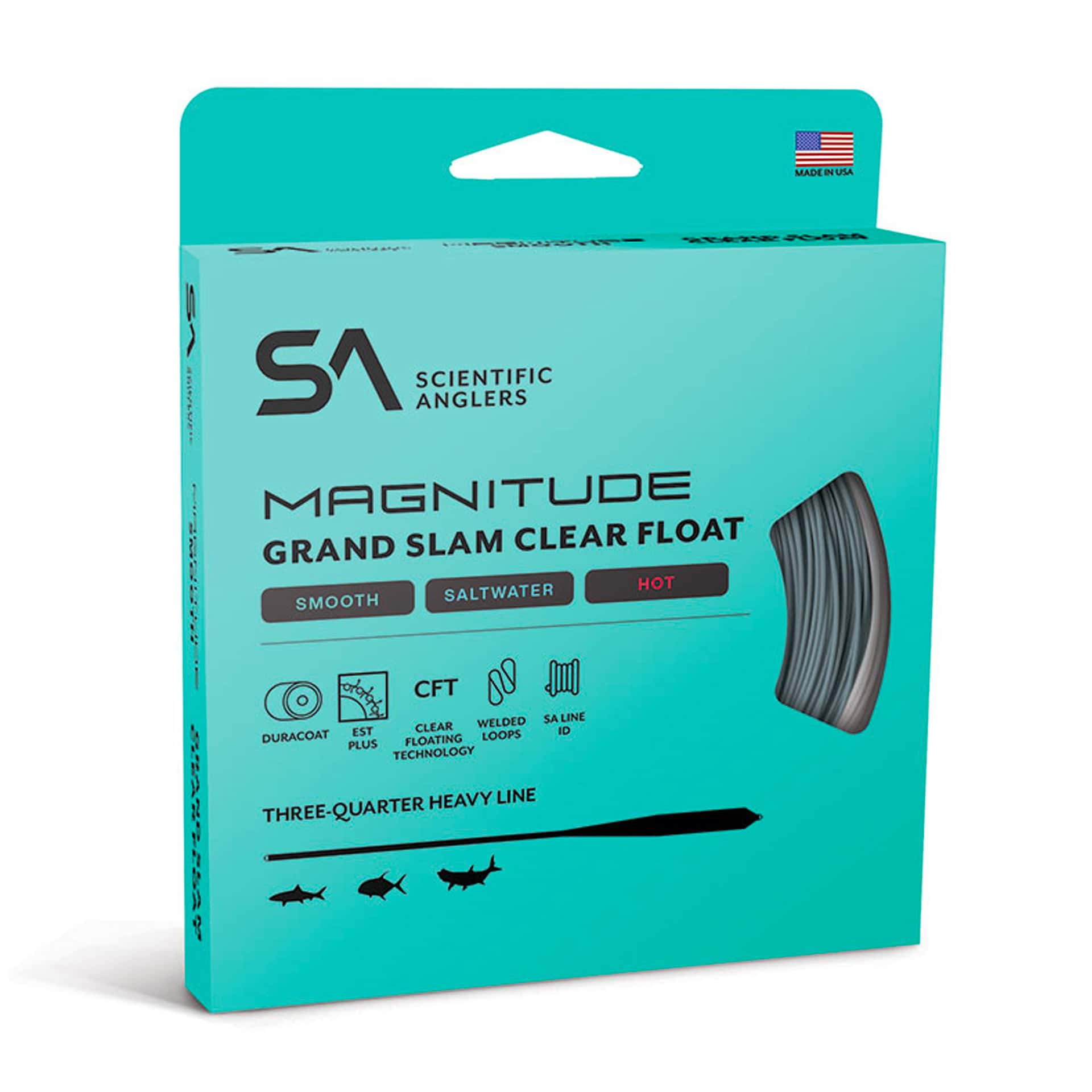
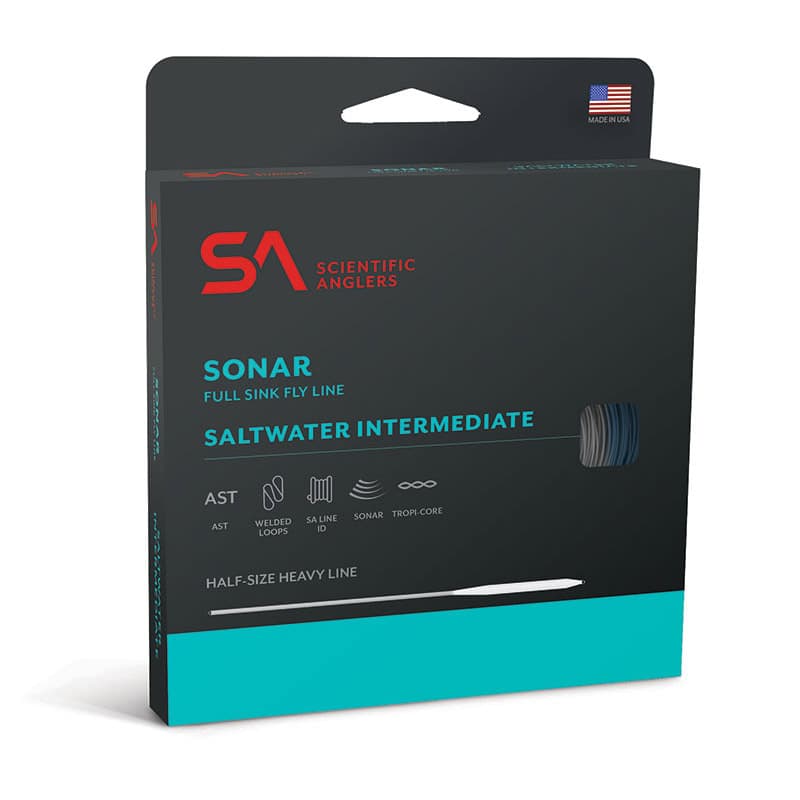
Fly Line choice is simple: a floating line (CLEAR) when they’re blitzing on top and you need quick pickups, and an intermediate (CLEAER) line when they’re just under the bait or the surface is chopped up and you want your fly tracking cleanly below the mess.
Keep leaders short and sturdy so you can turn over baitfish flies and survive the speed: think 7–9 ft total with a 20–25 lb fluorocarbon bite/tippet section (or straight fluoro if you like it simple). Bonita aren’t leader-shy like picky flats fish—they’re keyed in on bait and movement—so prioritize strength and abrasion resistance. Fly-wise, bring small, sparse baitfish patterns that match local bait: Surf Candies, small epoxy minnows, sparse Deceivers, and Clouser Minnows in the 1.5–3 inch range. Colors that consistently get eaten are white/gray, white/olive, and white/blue (add a touch of flash, but don’t overdo bulk). The goal is a clean silhouette that swims true at speed—because with bonita, the best fly is the one you can cast quickly, strip fast, and keep in the water when the chaos starts.
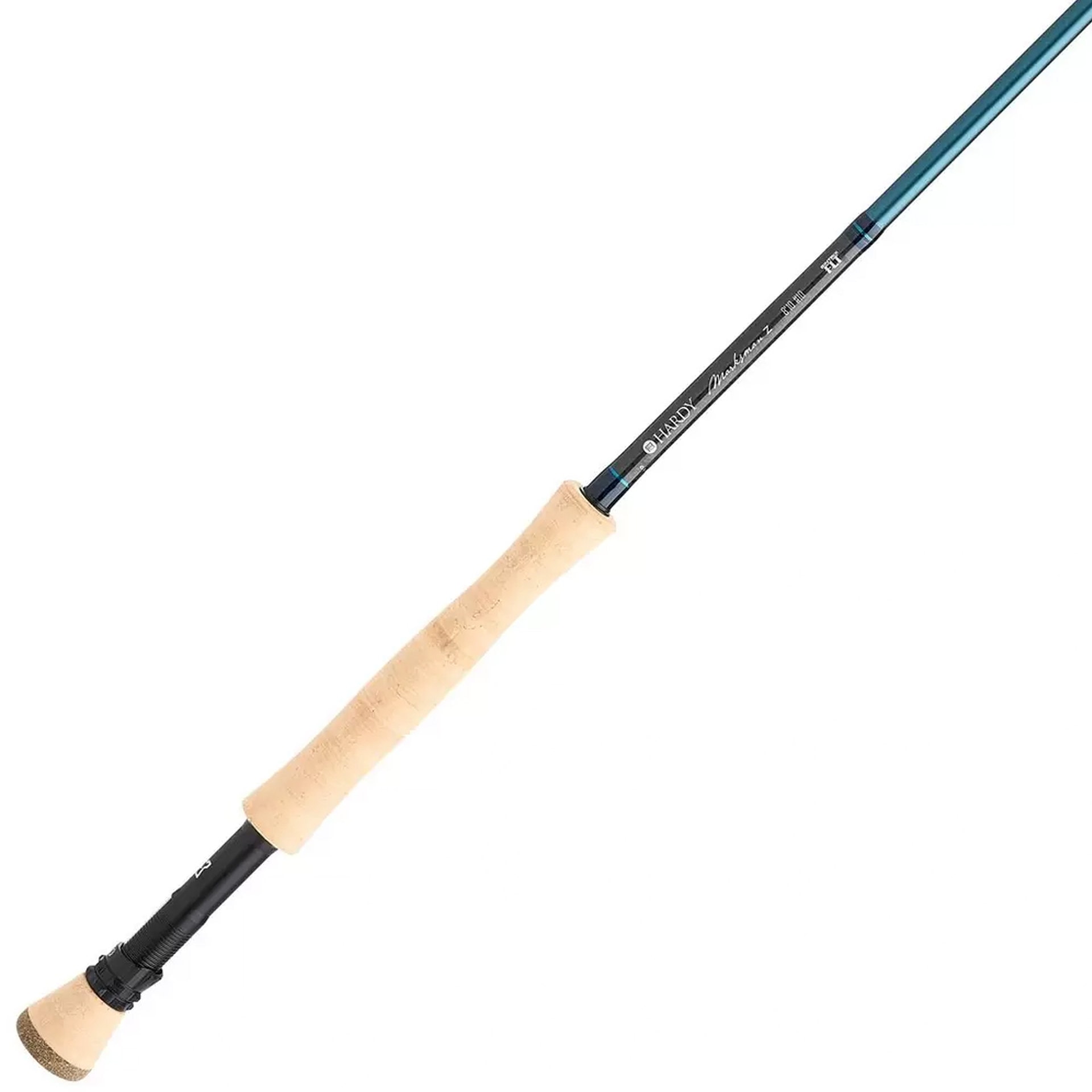
This is some gear that is absolutely trusted by me and I want while targeting bonita.
-
 Select options This product has multiple variants. The options may be chosen on the product page
 -
 Select options This product has multiple variants. The options may be chosen on the product page
 -
 Select options This product has multiple variants. The options may be chosen on the product page
 -
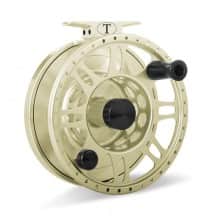
Features
- Made from solid aluminum bar stock
- Lightweight to balance with modern fly rods and reduce casting fatigue
- Triple outgoing line signals, easily removable for silent operation
- World famous Tibor drag system
- Made and assembled in the USA
Select options This product has multiple variants. The options may be chosen on the product page
The Flies
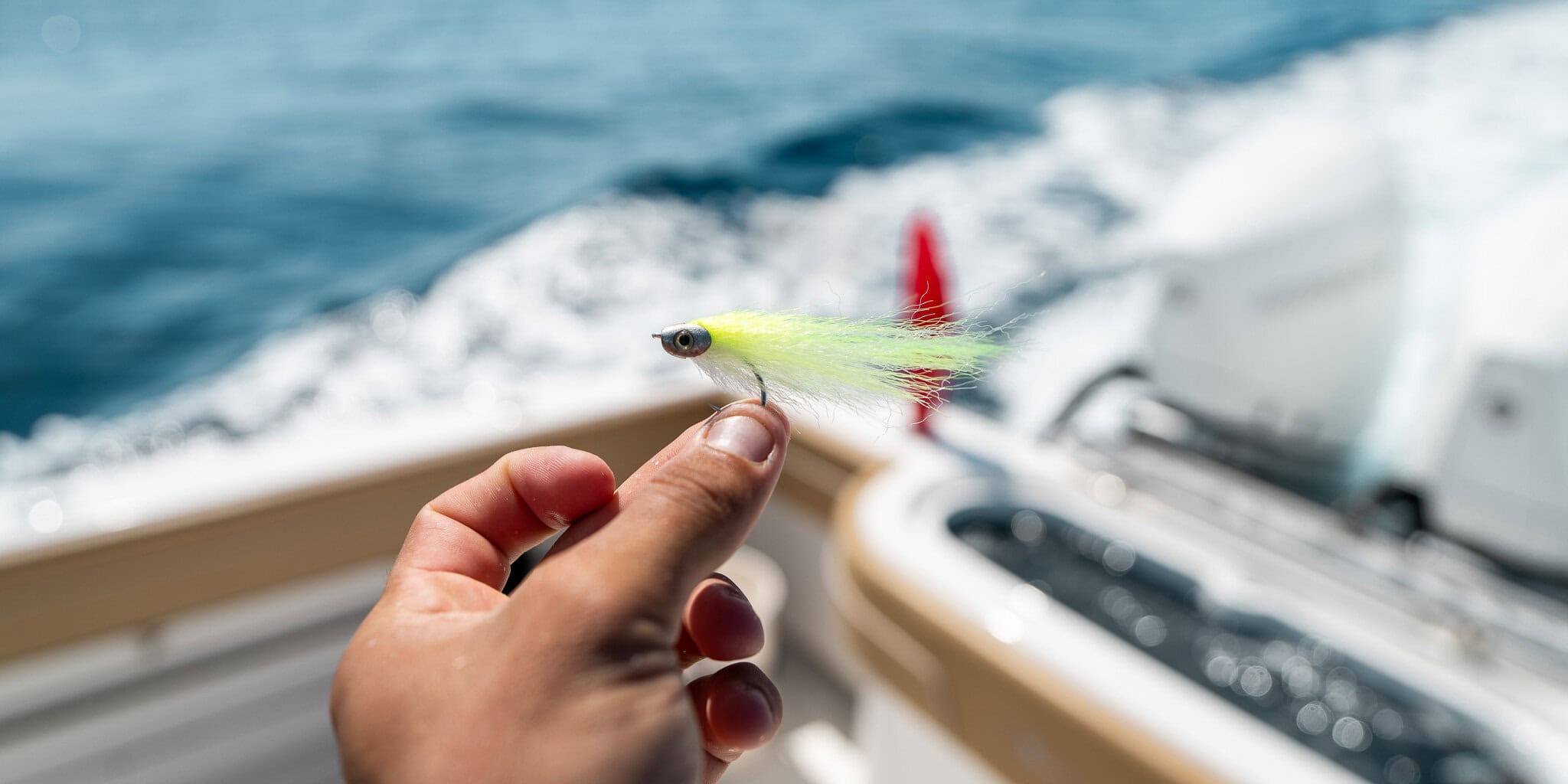
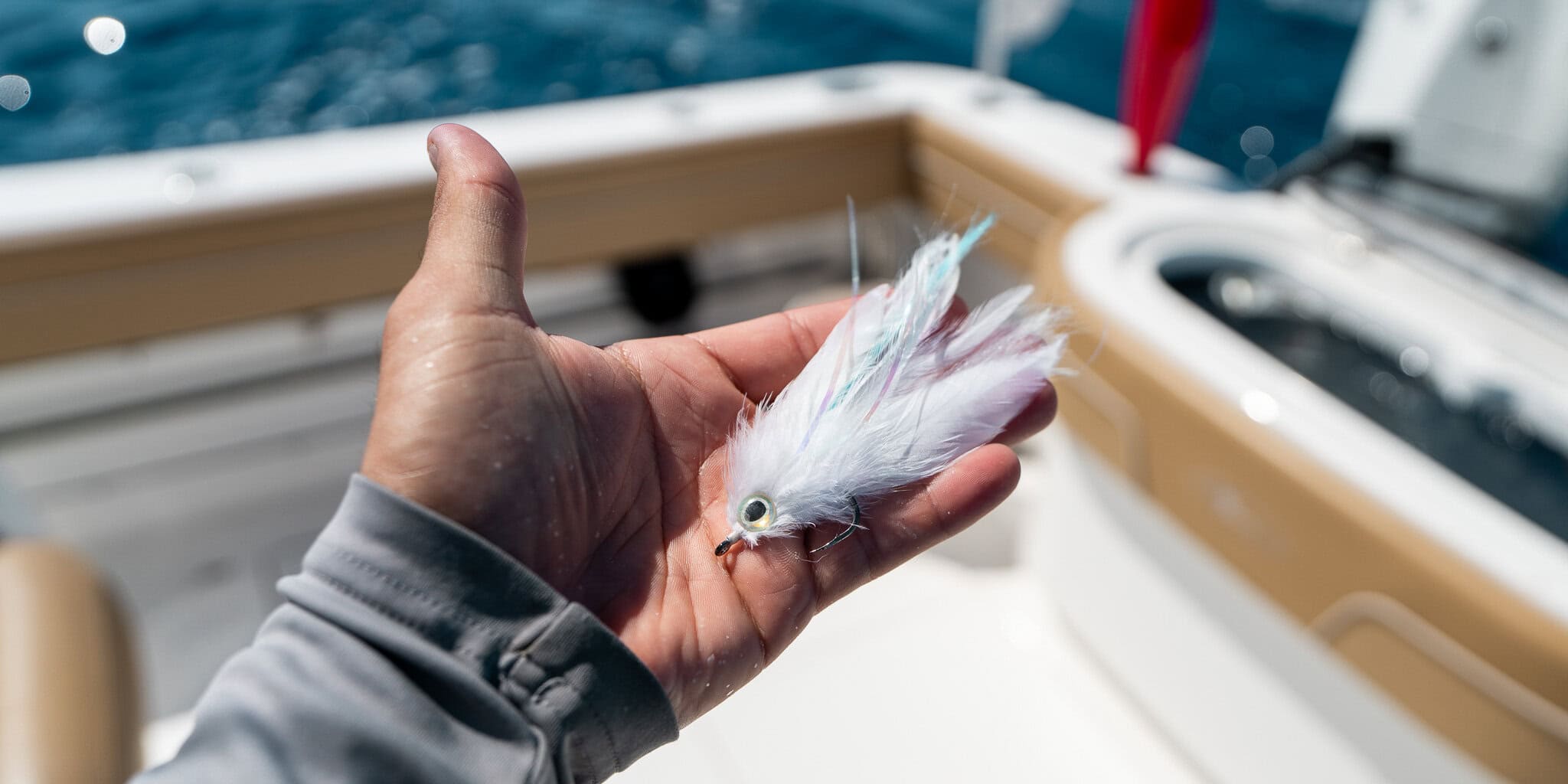
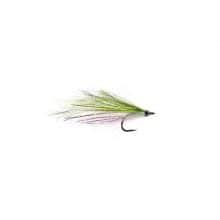
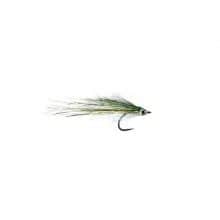
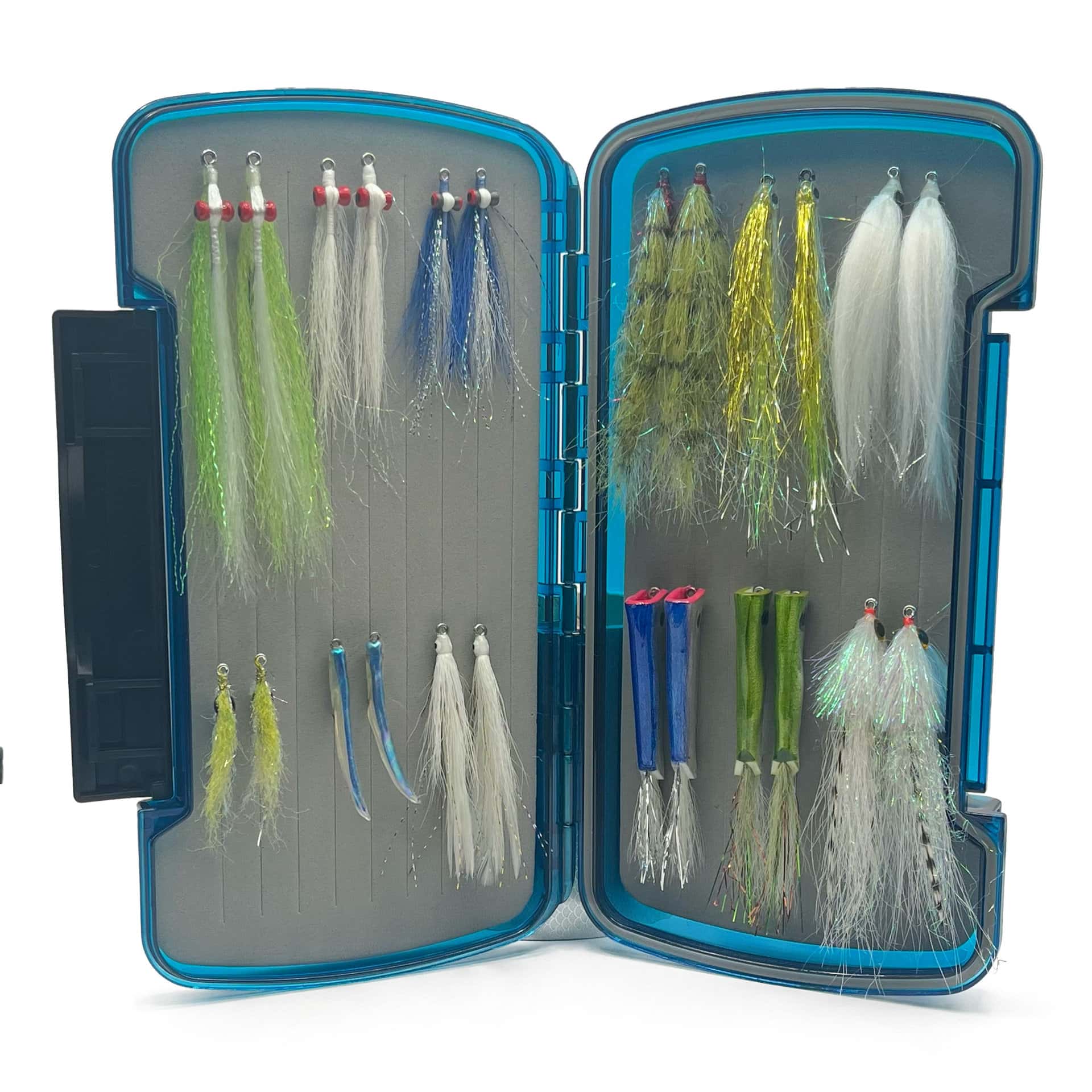
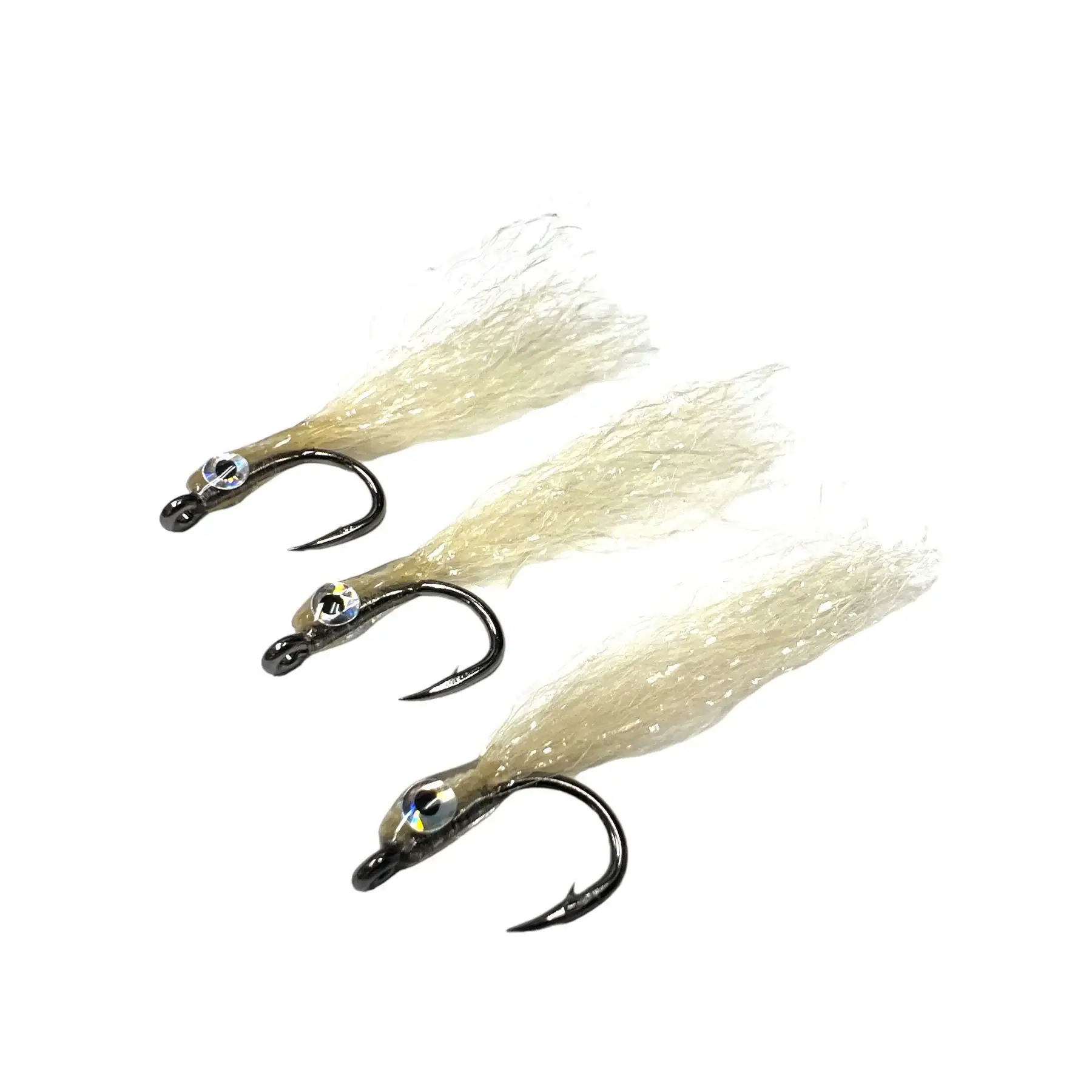
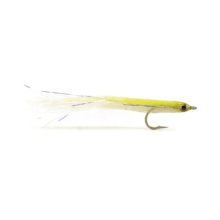
For bonita, think small, sparse, and fast—flies that match whatever bait is getting harassed and can handle a high-speed retrieve without spinning. The staples are Surf Candies, epoxy/minnow-style baitfish, sparse Deceivers, and Clouser Minnows in the 1.5–3 inch range. Keep profiles slim with just enough flash to wink in the sun, and lean on proven colors like white/gray, white/olive, and white/blue when the water’s clean. If it’s darker or churned up, a little more contrast—white with a hint of chartreuse—can help them find it in the commotion.
The biggest “secret” isn’t a magic pattern—it’s how the fly tracks. Bonita often eat at full speed, so you want materials that don’t foul and a fly that swims true when you’re ripping it. Sparse bucktail, synthetic fibers, and durable heads (epoxy/UV resin) hold up to repeated bites and keep the fly from getting shredded after one fish. Match the bait size as closely as you can, carry a couple weights (unweighted to lightly weighted), and you’ll be ready whether they’re blasting on top or sitting just under the bait waiting to ambush.
-
 Select options This product has multiple variants. The options may be chosen on the product page
 -
 Select options This product has multiple variants. The options may be chosen on the product page
 -
 Select options This product has multiple variants. The options may be chosen on the product page
 -
 Select options This product has multiple variants. The options may be chosen on the product page
To wrap it up, let’s get you on them!
At the end of the day, bonita fly fishing in Southeast Florida is a simple recipe: find the bait, set up smart, and be ready when the ocean suddenly turns into a blender. With the right boat to cover water and spot fish, a clean rod-and-reel setup built for speed, and a handful of small baitfish flies, you’re not hoping for a lucky shot—you’re putting yourself in the game. When it all comes together and that line comes tight on a blistering run, you’ll forget every joke anyone ever made about bonita and remember exactly why you chase them: pure, fast, saltwater fun.
Don’t have a boat that can handle the demanding ocean? Contact Scott Hamilton or Patrick Smith and they will be sure to get you out to have a blast with these drag smoking fish.